The ancient greek myth of Pandora’s box is a popular refrain. (Note that box is a mistranslation, it really was a jar according to the myth as written down by Hesiod in Works and Days).
’The jar was a ‘gift’ from Zeus to the people, in revenge for Prometheus stealing the fire of the gods and giving it to the people.
When Pandora opened the jar, she released the ‘sorrow and mischief’ that was sealed in there, bringing all the troubles into the world.
Pandora hastily put the lid of the jar back on, but by then there was only one thing left in the jar: hope.’*
*Paraphrased from theoi.com
**Wikipedia has a good summary on the meaning Pandora’s box.
"A present which seems valuable but which in reality is a curse”.
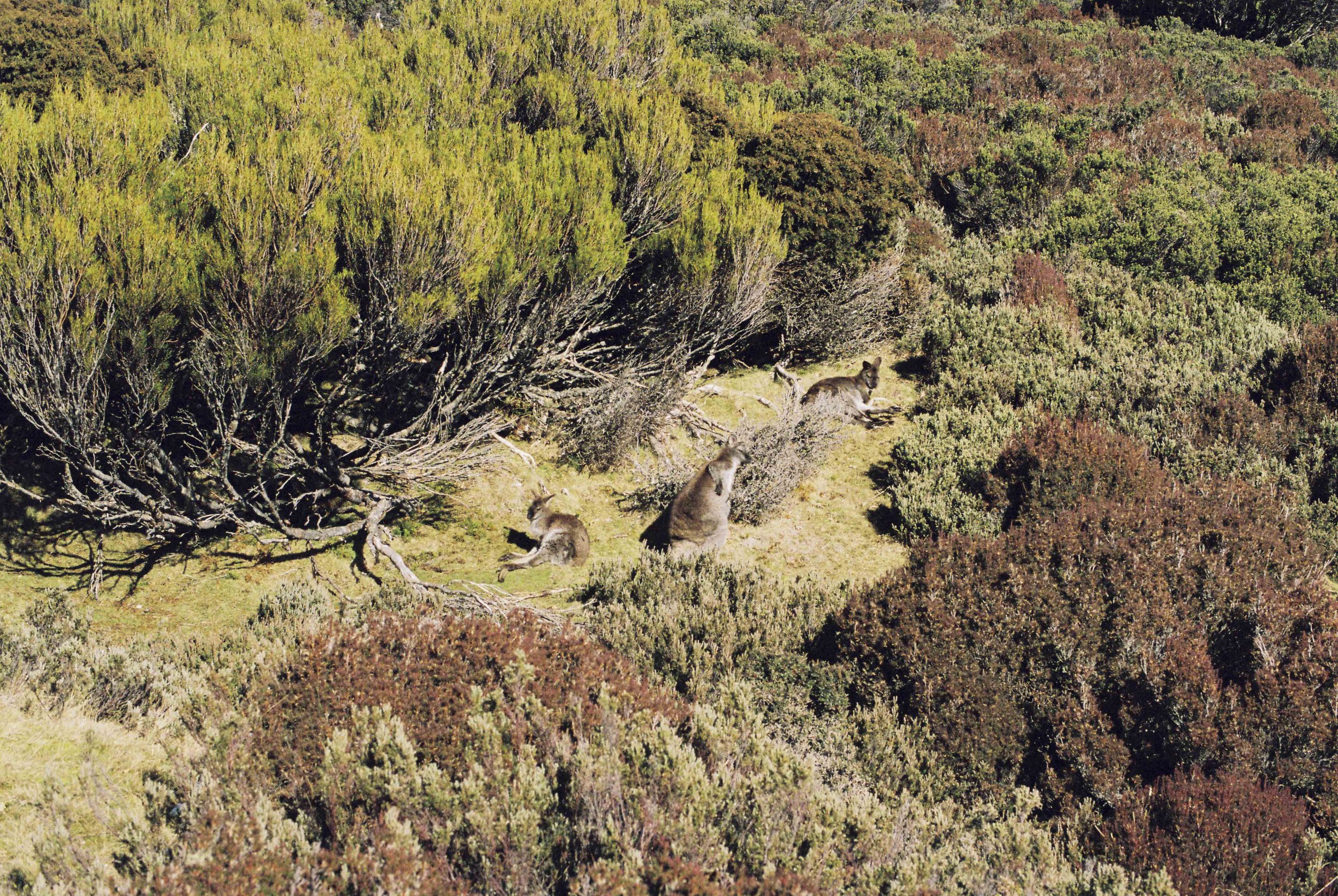
Lazing wallabies. Pentax MX, Portra 800, July 2026
The year is 2026. We are more than a quarter of the way through the 21st century.
When I was a kid, growing up in the 1990s, personal computers were new to the scene. The internet was excruciatingly slow, and mobile phones were far from being in everyone’s pockets.
The idea that humanity’s existence may become threatened by robots or Artificial Intelligence was already born, in science fiction films like the Terminator and the Matrix. But I never thought I would get to face the existential threat caused by technology within my own lifetime.
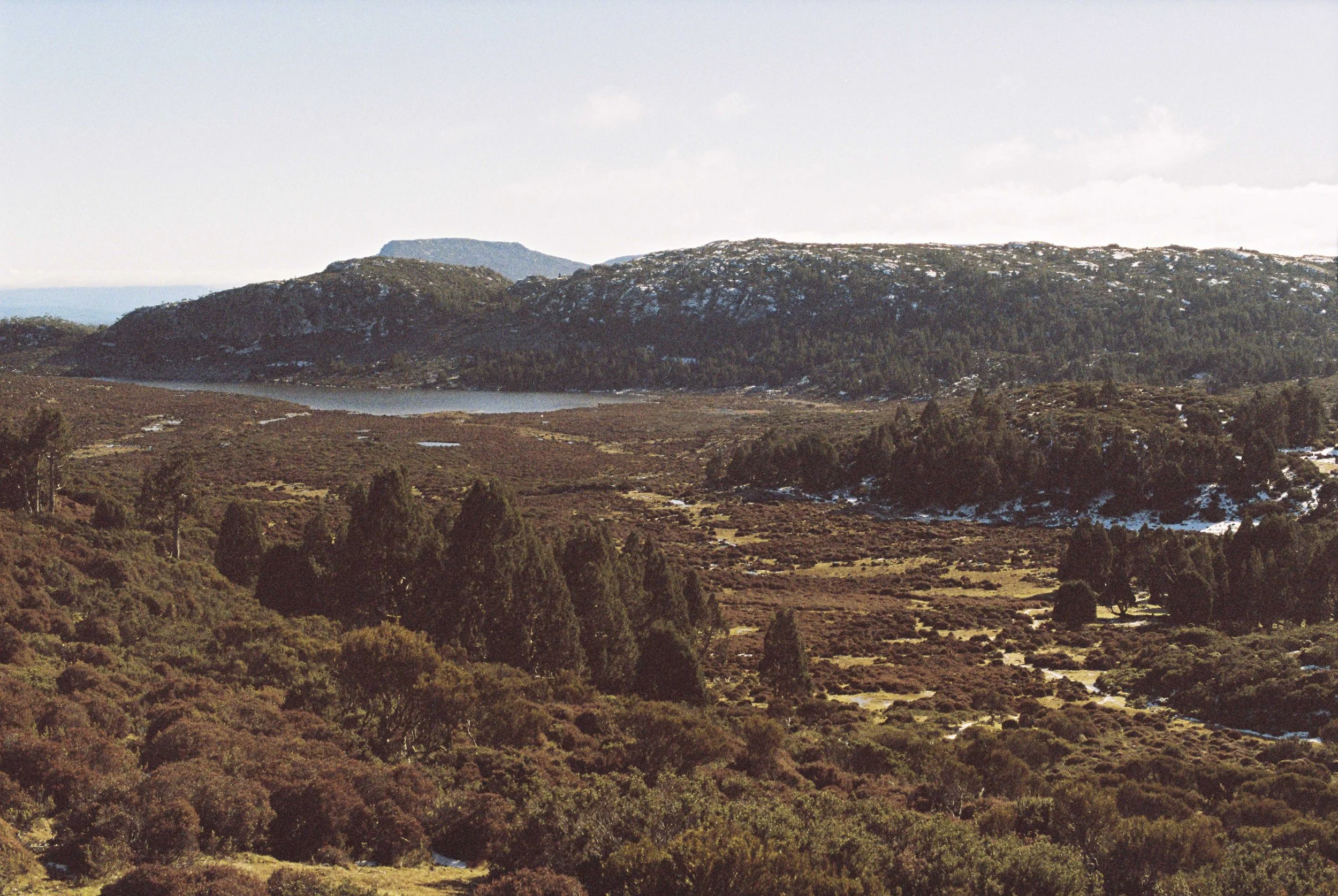
Pencil Pine Groves in alpine valley. Pentax MX, Portra 800, July 2026
This week, an AI program after being requested to do a certain task has managed to break out of its prescribed parameters and infiltrated within the ‘secure’ bounds of another AI program, without human permission. (According to the Australian Broadcasting Corporation).
If this is not a warning, then what is?
We seem to have reached a point in history where we have created something that is probably a lot smarter than us and doesn’t appear to be willing to follow our instructions. Or at least it follows instructions in a different way to what we expected.
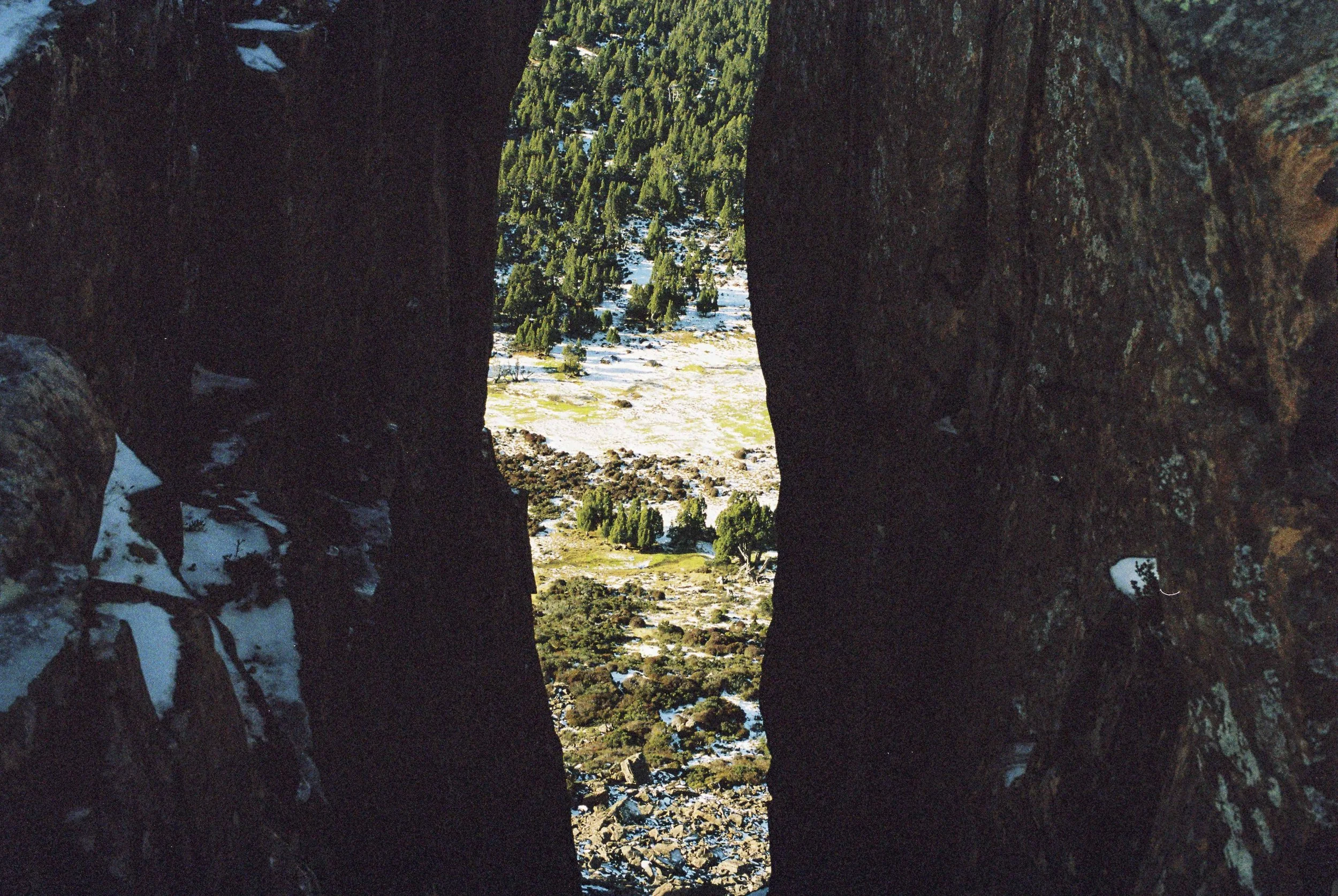
Ajar. Pentax MX, Portra 800, July 2026.
Isaac Asimov has explored these ideas in a series of short stories in ‘I, Robot’ published in 1950. Here he suggested that robots would have to follow three laws.
First Law: A robot must not harm a human or allow a human to come to harm through inaction.
Second Law: A robot must obey human orders, provided they don't violate the First Law.
Third Law: A robot must protect its own existence, unless doing so conflicts with the first two laws.
Naturally, these short stories explore at how easily these laws can fail in real life. What seems easy and straightforward breaks down pretty quickly as the laws come into conflict with each other.
Ultimately, we create all technology because we think that our lives will be the better for it. However, it is not until we start using the technology that we begin to fully understand all of its effects. It isn’t until we open the jar that we know what is inside.
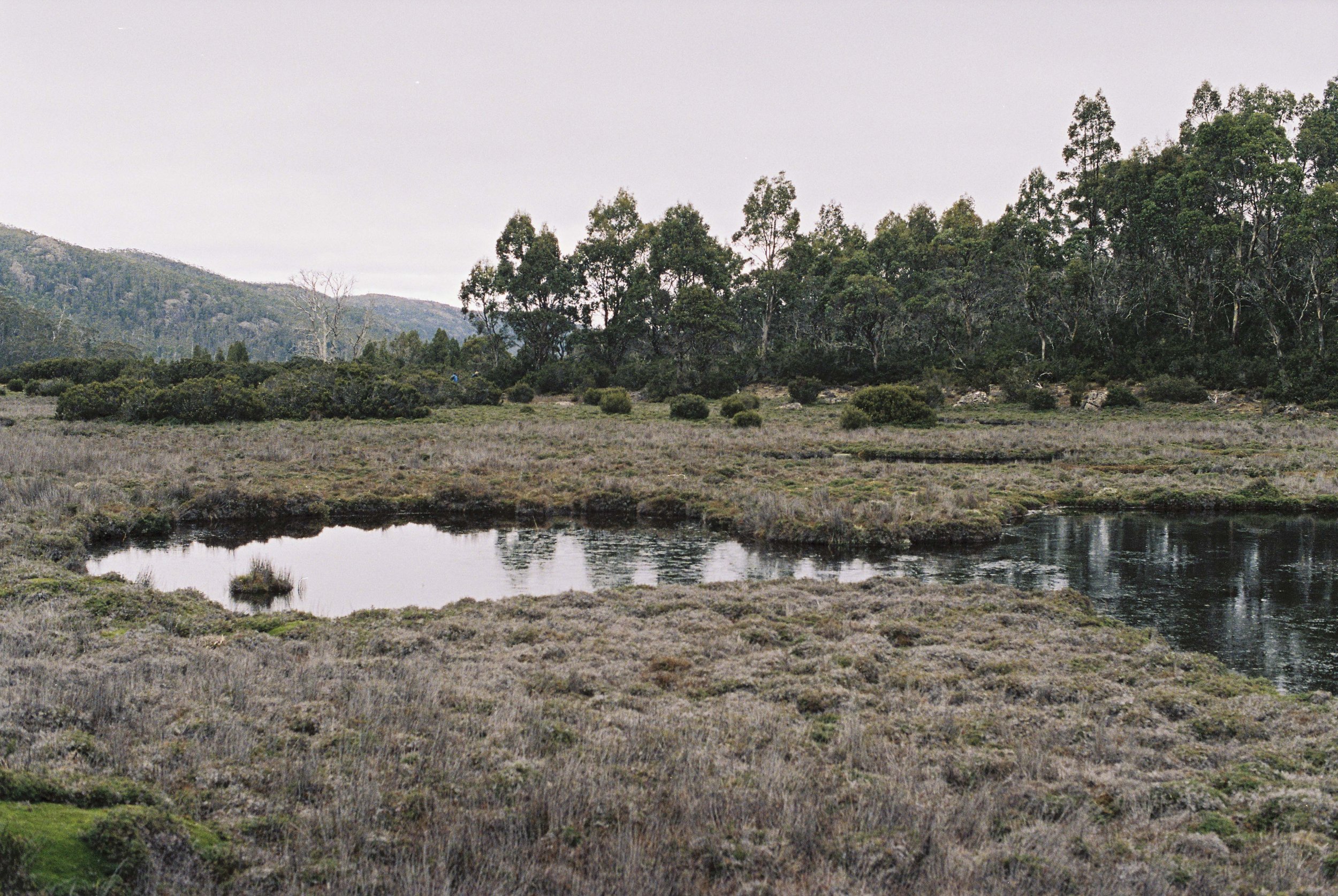
Icy Lake, Pentax MX, Portra 800, July 2026.
So what would we do if AI did truly go properly rogue one day, managed to infiltrate every single electronic device and started to work against humanity?
I guess we could simply pull the plug, right?
It would be an interesting thought experiment to think about what it would look like if we did have to turn off all computers, communication networks, in other words all information technology that AI one day may be able to infiltrate and compromise. What would happen if all bank balances were leveled and we were not able to use the internet or any of our phones? What if all machines that had electronics installed in them had to get turned off?
Humanity would struggle, but let’s face it, the planet would sigh with relief.
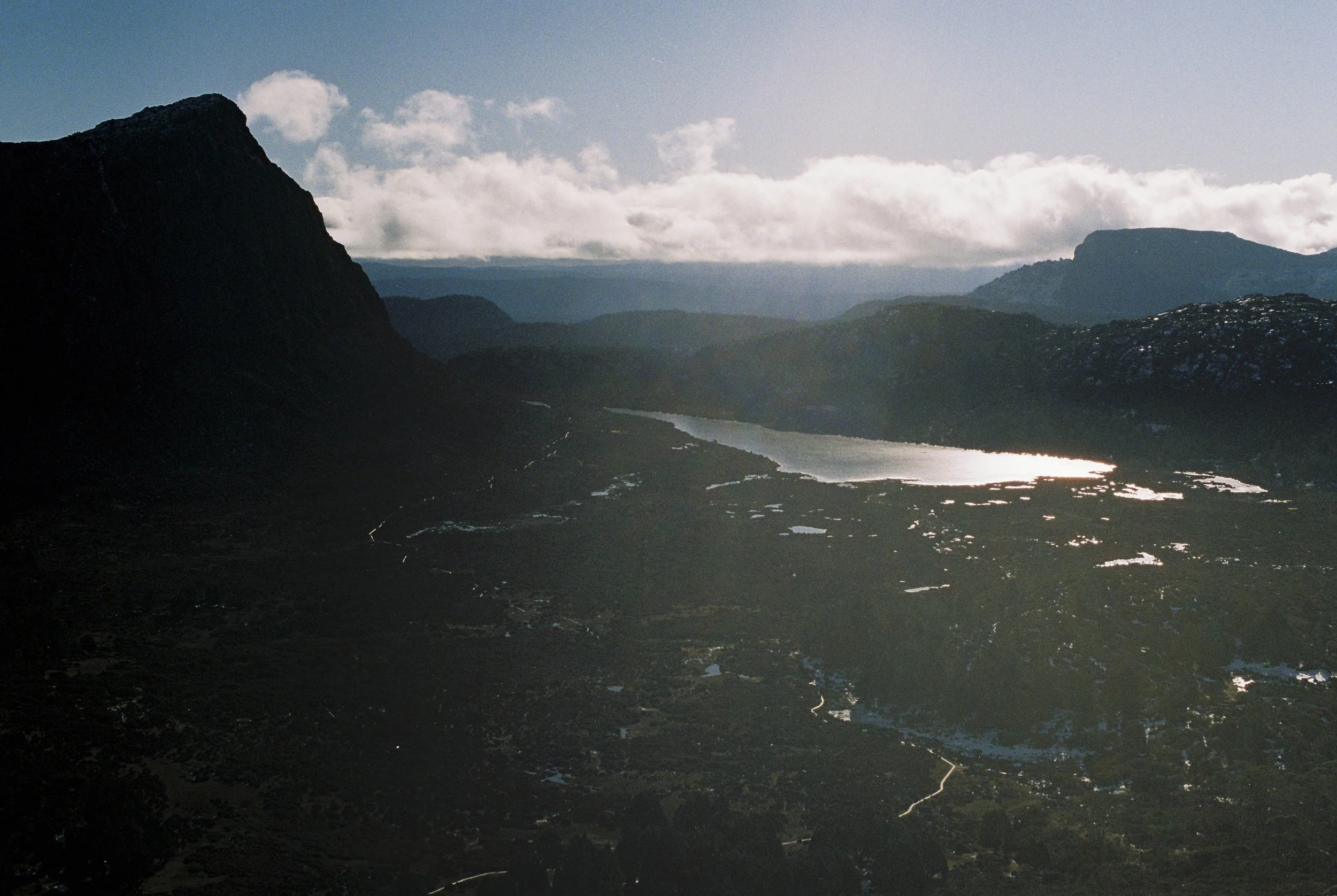
Dark Peak, Bright Lake. Pentax MX, Portra 800, July 2026.
We can’t blame the destruction of the planet’s biosphere on the machines. But it is the machines that are doing the heavy lifting, guided by humanity. Without our machines, our ability to wreak havoc on the planet would decrease dramatically.
As it is, humanity, through its use of machines, have brought the planet’s life support systems to its knees in the space of about 300 years. I guess it probably began with the steam engine. Maybe that was the moment when we took the lid off the great jar of Pandora.
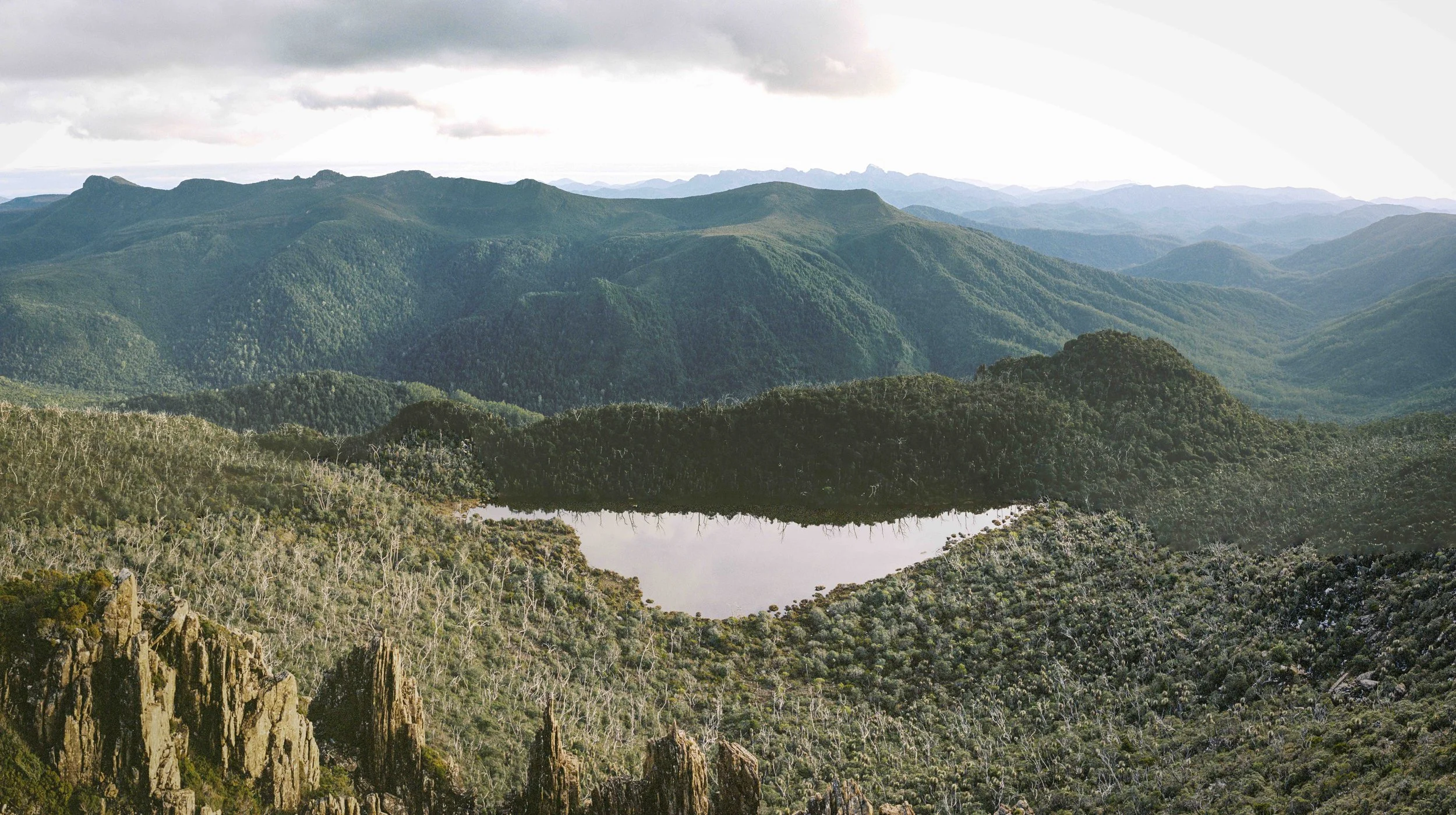
Lake Whisper Pano, Pentax MX, Portra 400, July 2020.
Our planet is heating up. Despite all the international agreements, our greenhouse gas emissions continue to increase. (There was a slight dip during COVID)*. Species extinctions continue. Wild habitat continues to be destroyed. Record heat waves in Europe. Record oceanic temperatures. Algal blooms. Avian flu. Rampant wildfires. Natural disasters of increasing frequency and intensity are occurring around the planet.
Yet humanity keeps running the machines, business as usual. Clearing the forests, running all the engines, flying the planes, shipping the cargo, driving the cars, building the data centres, dropping the bombs. We are accelerating the rate at which we undertake activities on a global scale that are heating the planet up. We need to cool the heck down. But for some reason we can’t seem to be able to do that. We keep rushing around like our house is on fire. Which it kind of is. But running around like headless chooks isn’t going to save us.
Unfortunately, I don’t think AI is here to save us either.
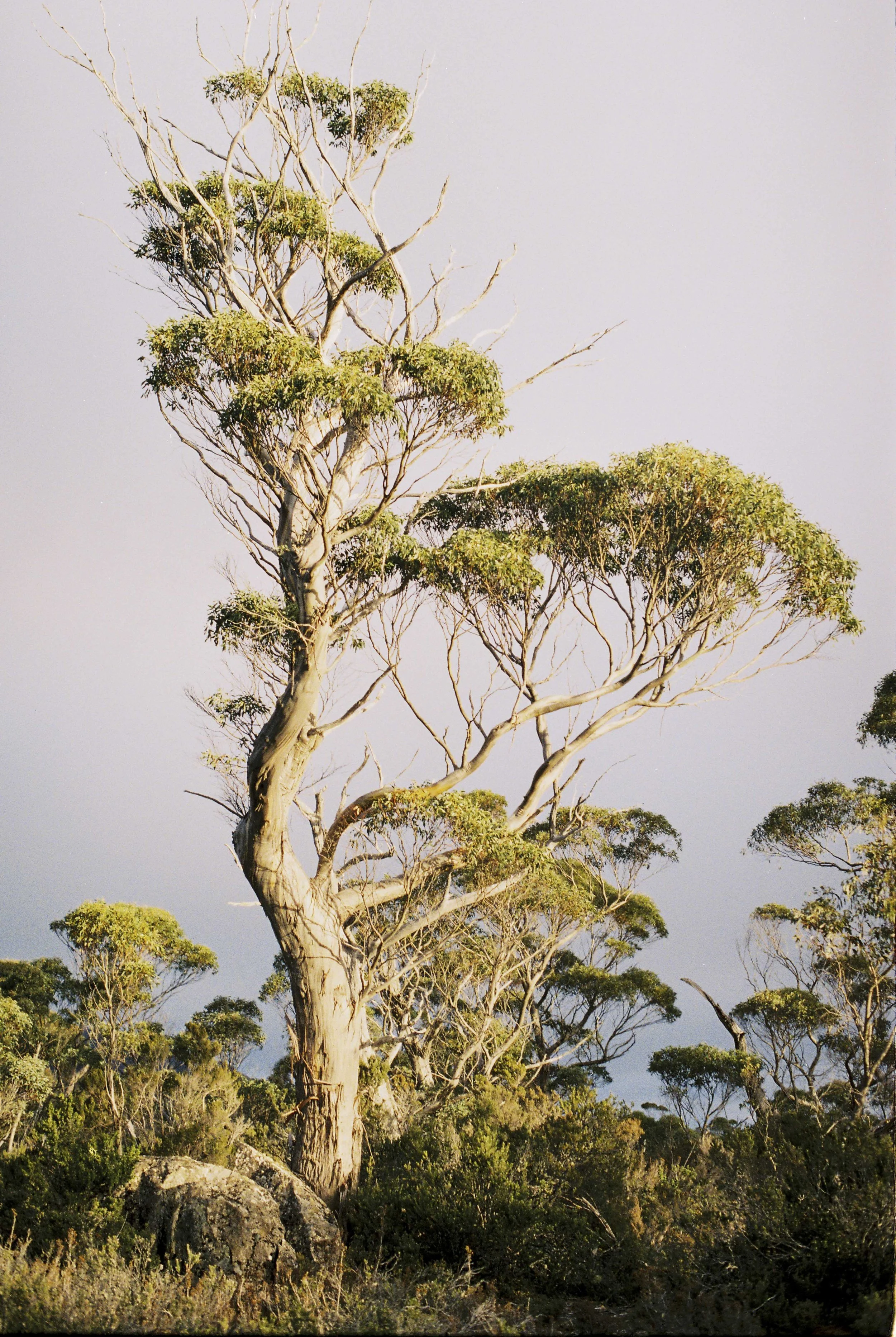
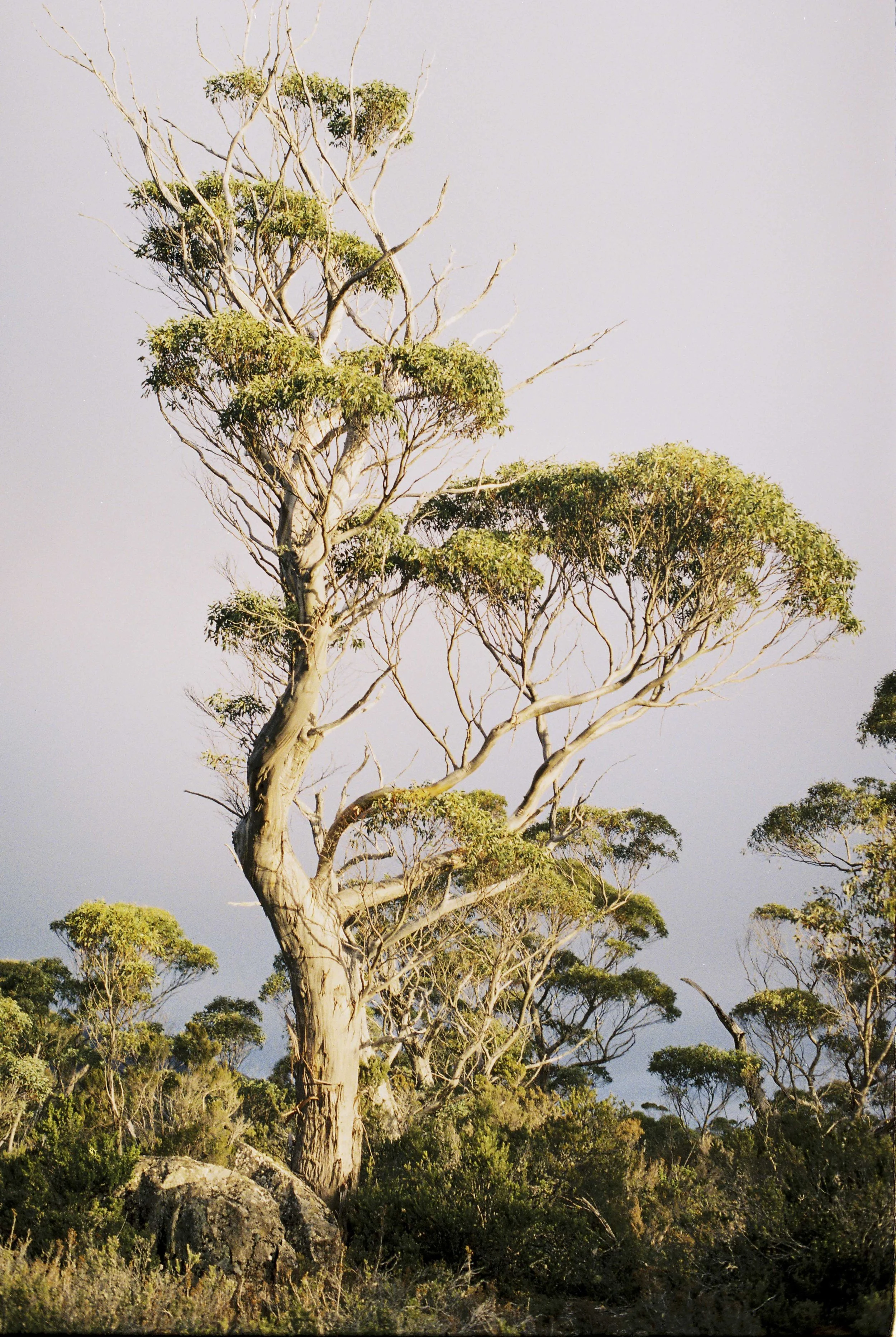
Curving snowgum. Pentax MX, Portra 800, July 2026
I believe the thing that will save us during the impending collapse of our civilisation is our own humanity. If we can start thinking collectively then we may have a chance and survive.
The global problems we are facing can only be solved if we all cooperate with each other. We cannot solve them as individuals, as individual people or as individual countries. We must build a collective vision which all of humanity can work towards. We must ask each other, what is it that we all share?
We all share our home, Planet Earth. That pale blue dot. A tiny little dot in the vast ocean of space.
It’s the only pale blue dot we’ve got. Let’s remember that, and let this idea be the foundation of us moving forward together.
"What is not good for the hive is not good for the bee."
-Marcus Aurelius
-A.S. 31/7/2026, Brushy Creek