The peaceful warrior

“True fearlessness is not the reduction of fear, but going beyond fear.”
- Chogyam Trungpa, Shambala: The Sacred Path of the Warrior.

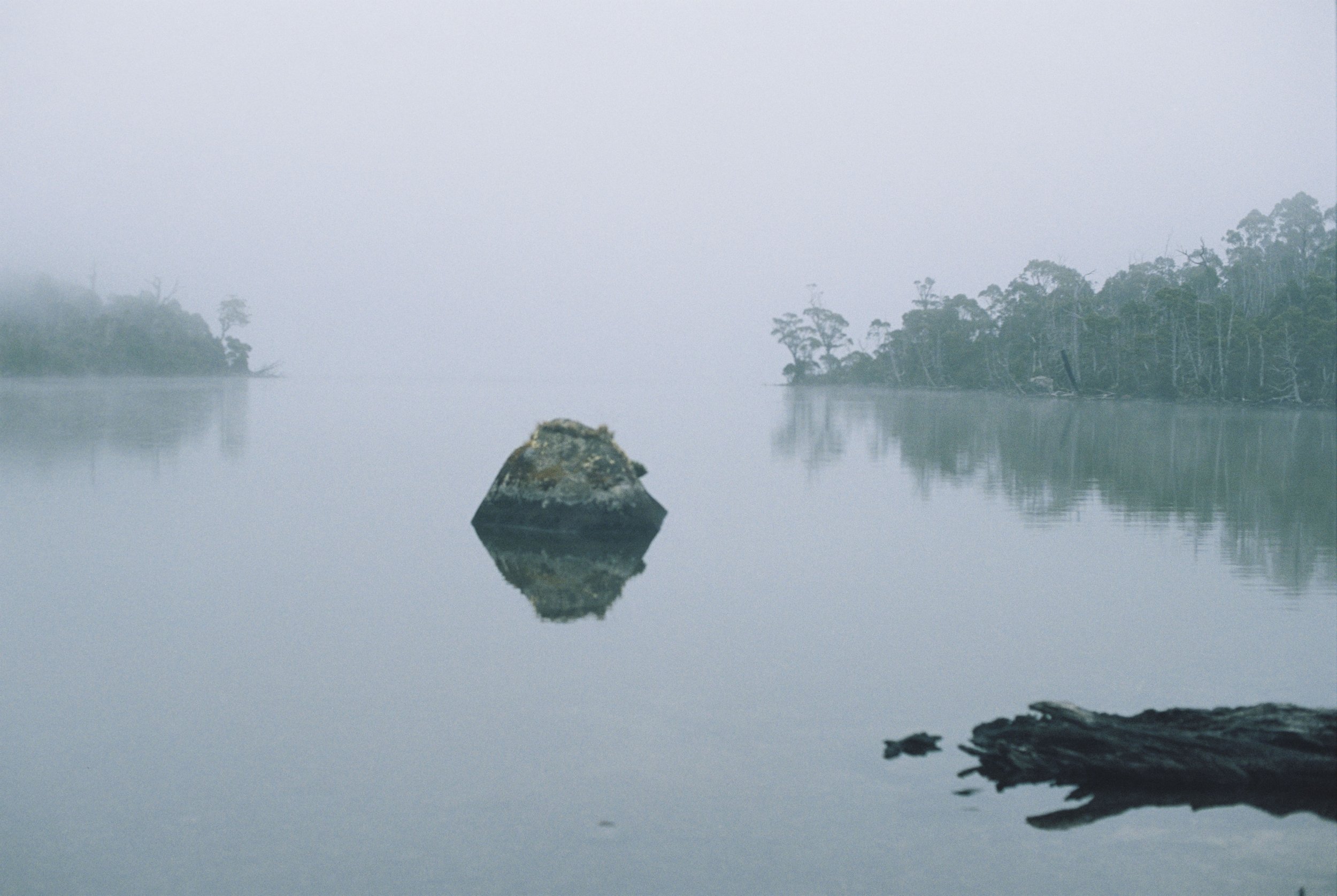
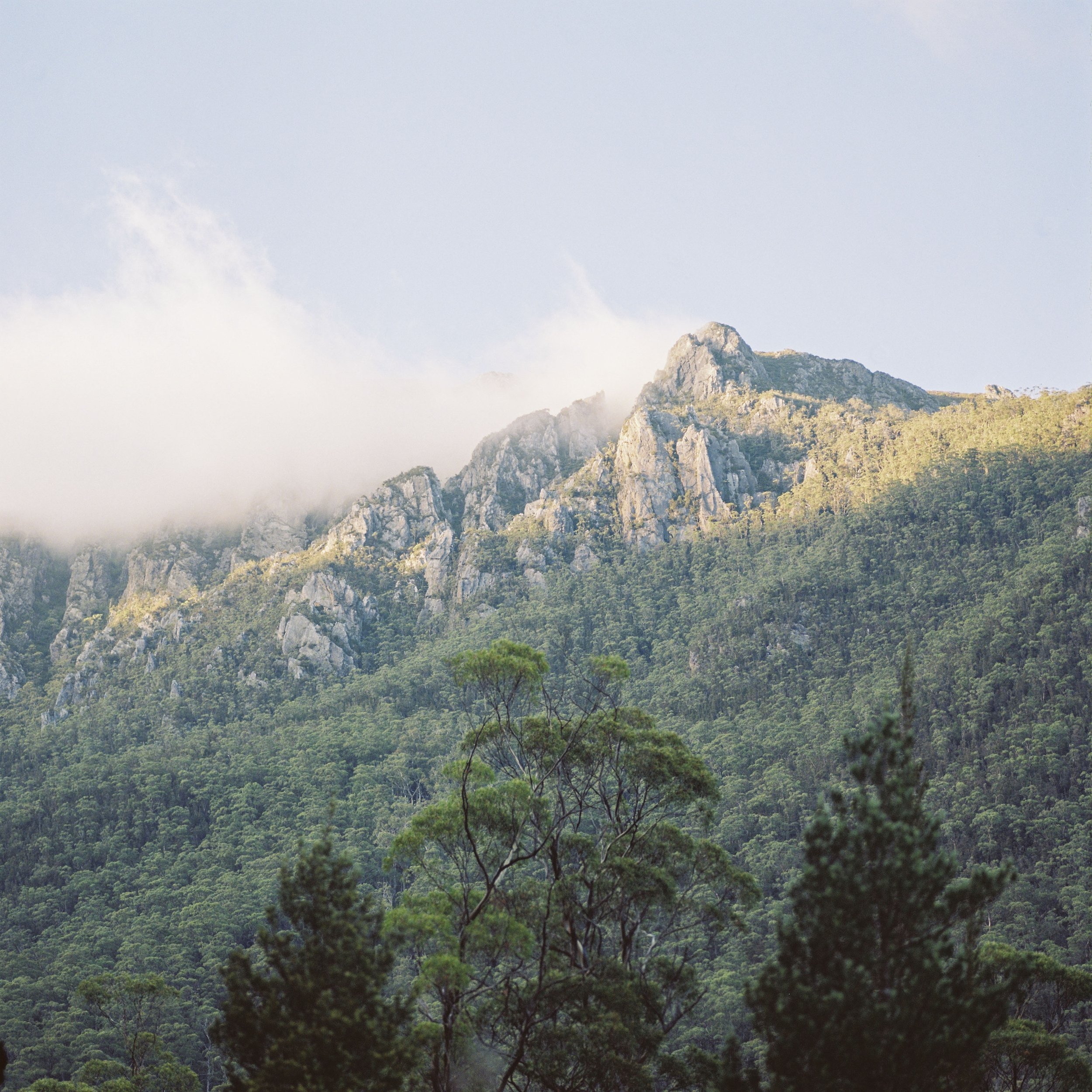
Beneath the trees, above the trees. Pentax MX, Portra 160. June 2023.

“The essence of cowardice is not acknowledging the reality of fear.”

- Chogyam Trungpa, Shambala: The Sacred Path of the Warrior.

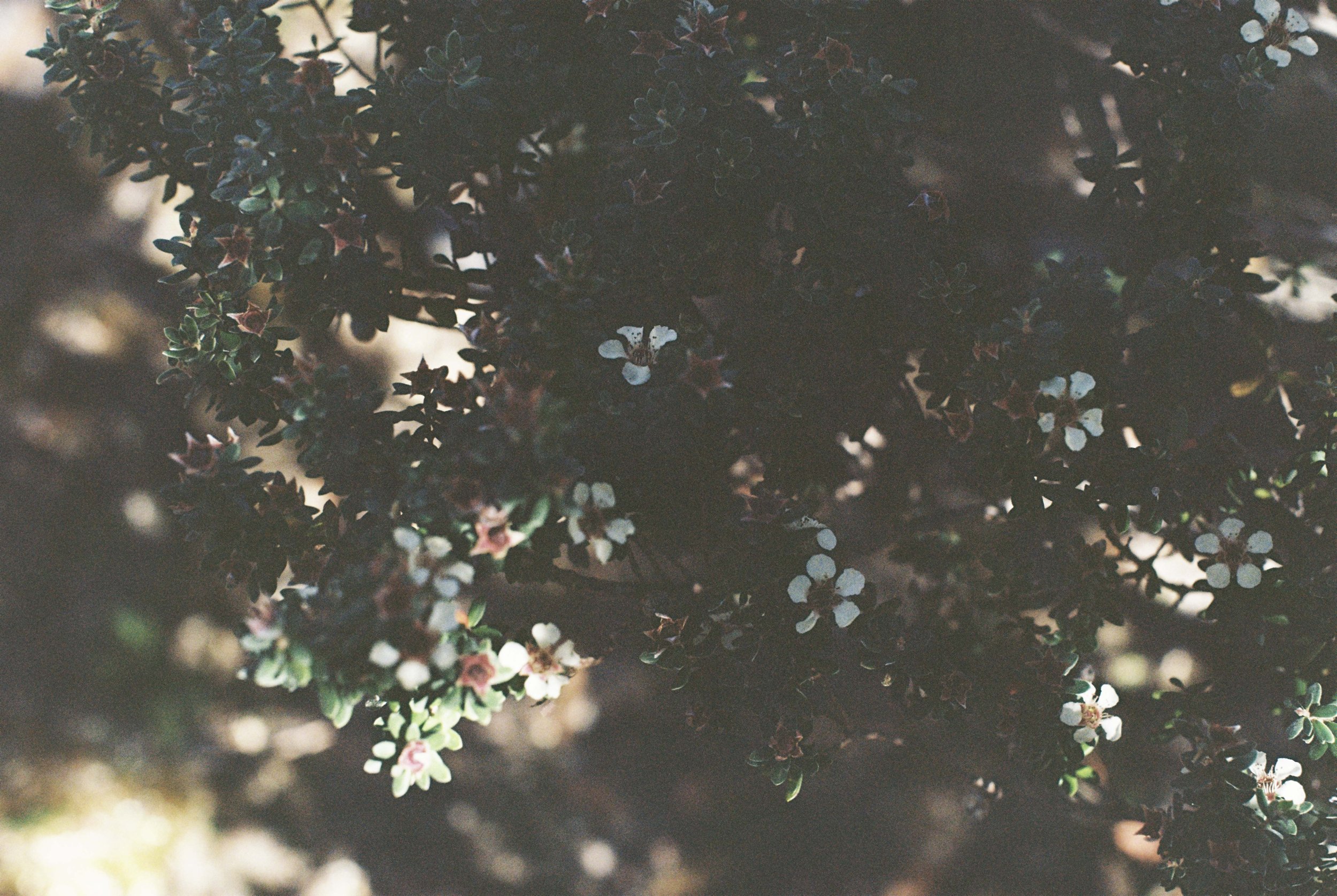
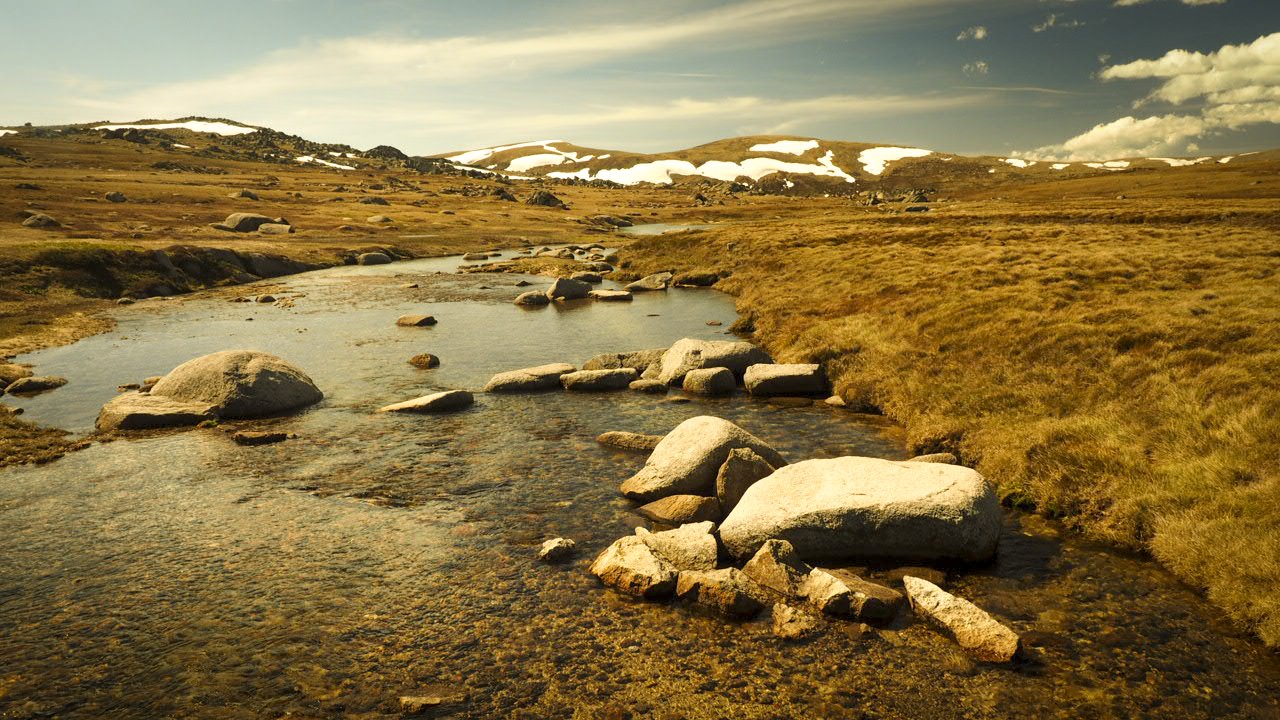
The smallest trees live up here. Pentax MX, Portra 160, June 2023.

“The ideal of warriorship is that the warrior should be sad and tender, and because of that, the warrior can be very brave as well.” - Chogyam Trungpa, Shambala: The Sacred Path of the Warrior.

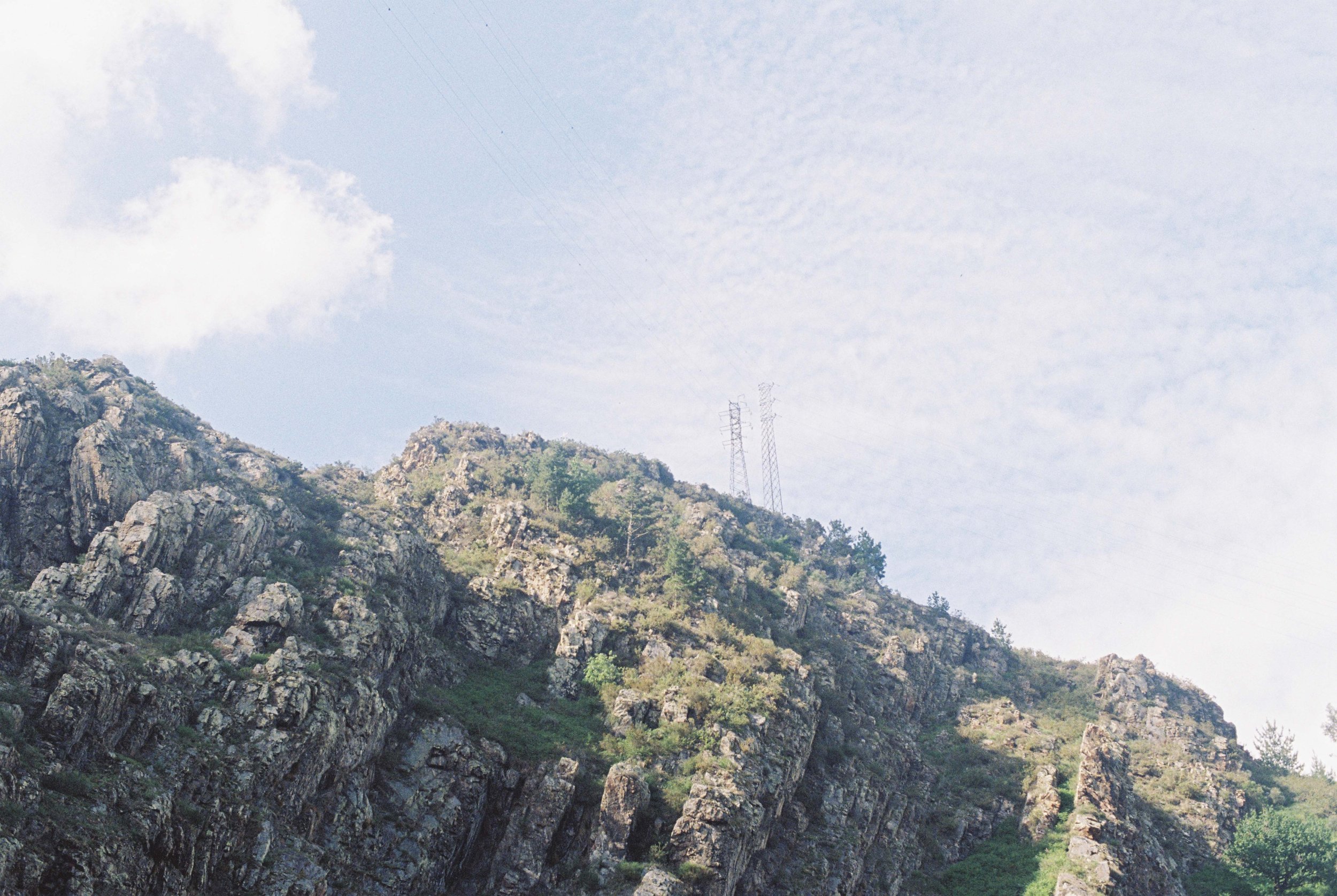
A shepherd’s shelter and a flock of sheep. Pentax MX, Portra 160, June 2023.

“The way of cowardice is to embed ourselves in a cocoon, in which we perpetuate our habitual patterns. When we are constantly recreating our basic patterns of behaviour and thought we never have to leap into fresh air or onto fresh ground.” - Chogyam Trungpa, Shambala: The Sacred Path of the Warrior.

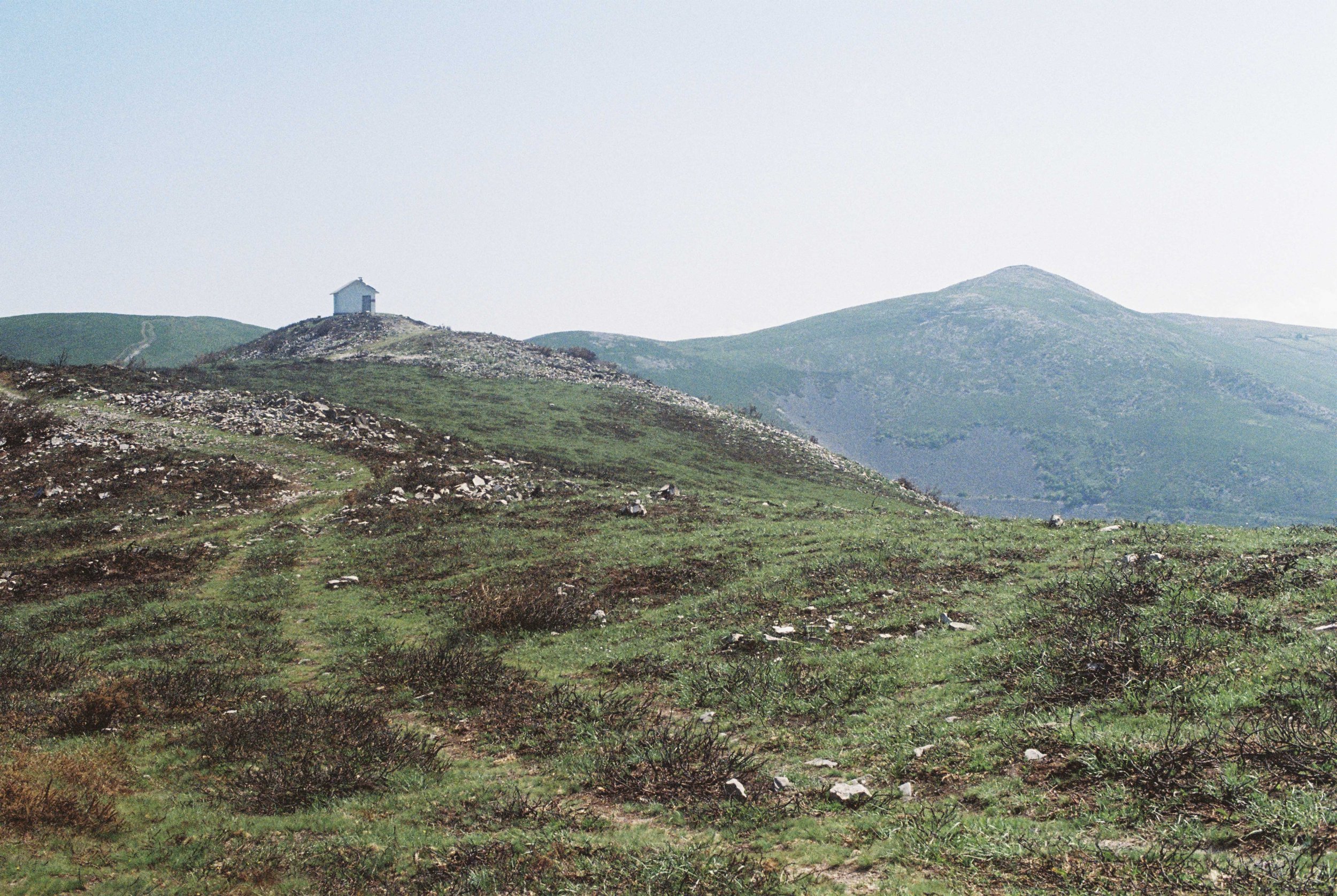
Shepherd, dogs, sheep. Pentax MX, Portra 160, June 2023.

“At some point, you have to leave home and embrace a larger world. This is the absolute prerequisite for being able to care for others.” - Chogyam Trungpa, Shambala: The Sacred Path of the Warrior.

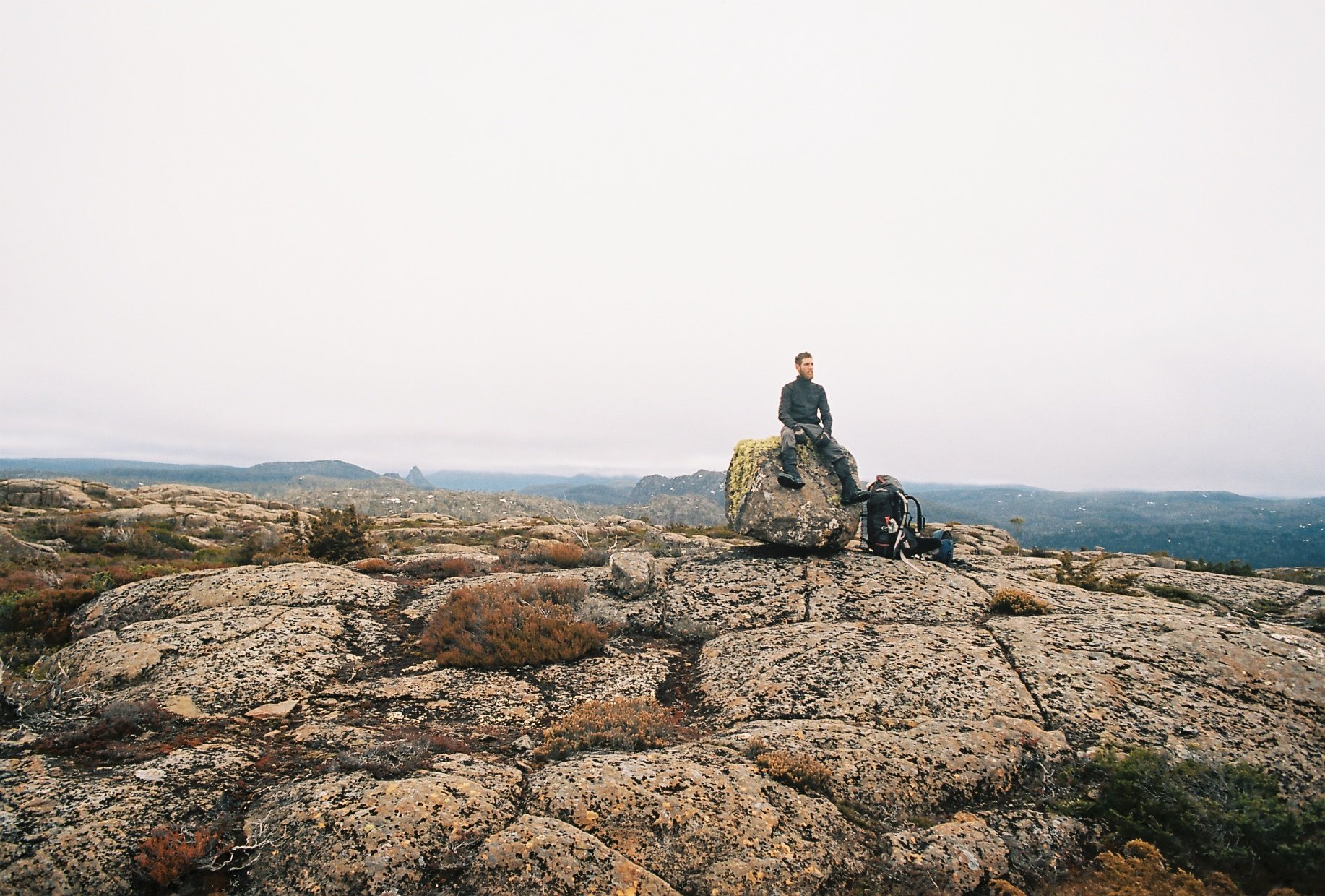
Afternoon light, looking towards the valley. Pentax MX, Portra 160, June 2023.

Taking things in stride

When we first conceive an idea, we often fail to account for all the difficulties that its fruition will require.

Wouldn’t it be nice to renovate the house? Perhaps it’s time to find the leak in the roof? Or the time has truly come to find the hole where the mice have been getting into the pantry…

When we get our initial burst of inspiration, the end goal appears as a gleaming beacon of hope, the object of our desire. As we strike out on our quest, be it small or big, we rarely foresee the difficulties we are to encounter on our way.

Clearing on ridge, Făgăraș. Pentax MX, Kodak Portra 160, June 2023.

When I made my plans clear to my friends and family in Hungary that I intended to traverse the Făgăraș Mountains in Transylvania, their immediate response was concern and an attempt to sway me to find another way to spend my free time. My brother’s response was perhaps the most succinct and memorable.

’Bro, don’t go to Romania. Either the gypsies will steal all your stuff, or the bears will eat you.’

I refused to believe him.

Open deciduous forest. Făgăraș. Pentax MX, Kodak Portra 160, June 2023.
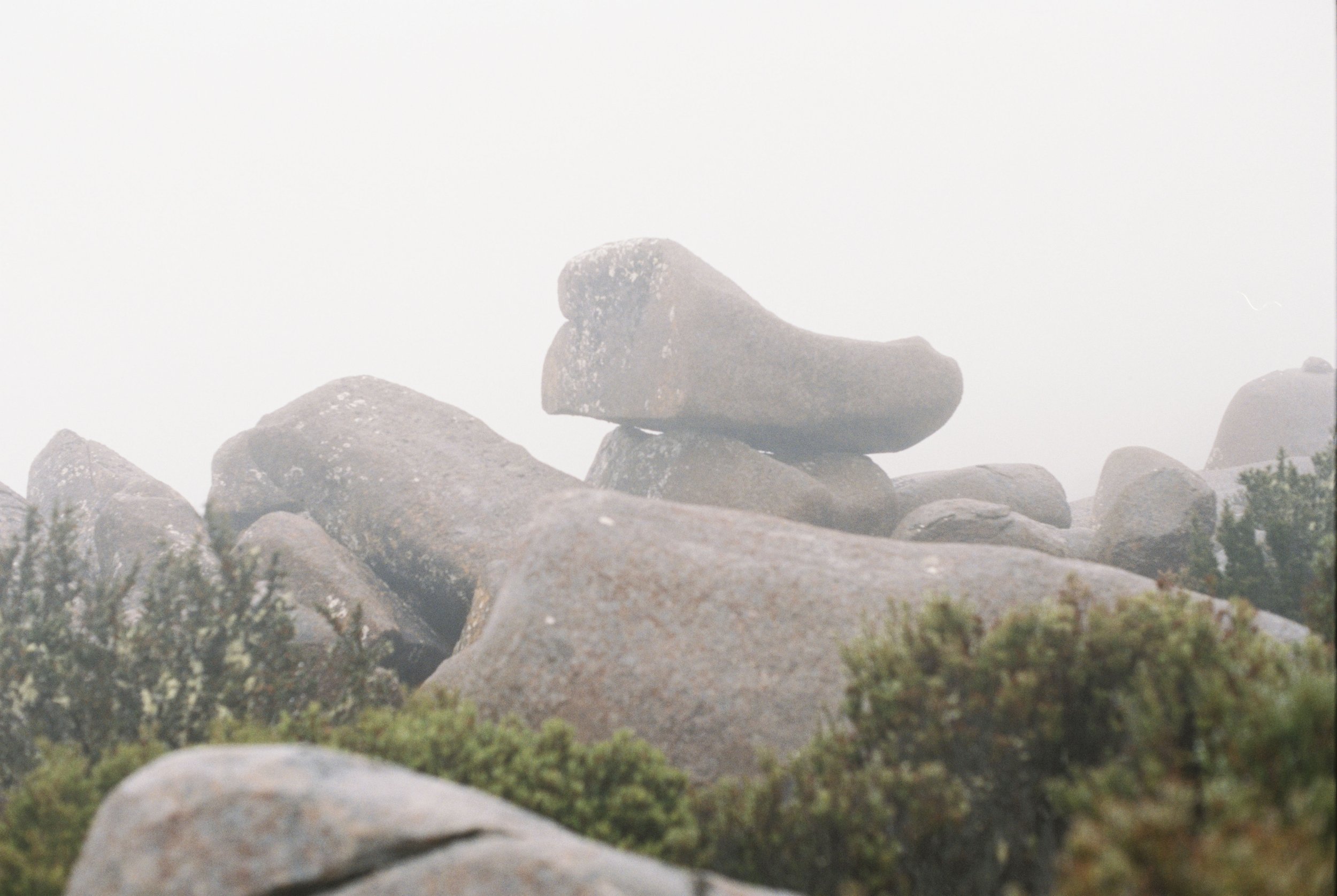
The more people I chatted to in Budapest in the lead up to my trip however, the more I heard about recent bear attacks in Transylvania. Apparently the population of brown bears have multiplied and a lot of the mountainous villages were experiencing regular rogue bears coming in for a visit, their main interest being sheep and other edibles. Some villages had implemented bear sirens, that would go off if someone sighted a roaming bear near the village, so then everyone would know to stay indoors or at least take caution.

After hearing these stories I did a quick google search for news articles on bear attacks in Transylvania. About two or three popped up from this year. There was one in particular about a shepherd trying to protect his animals from a bear with an axe and getting severely hurt in the process. The article didn’t list the injuries the bear sustained but it sounded like the bear had won the fight. I made a mental note to avoid a scenario where I was fighting a bear with an axe.

I told myself it would be fine. Besides, I really wanted to see a bear in the wild.

The opening of the view. Făgăraș. Pentax MX, Kodak Portra 160, June 2023.
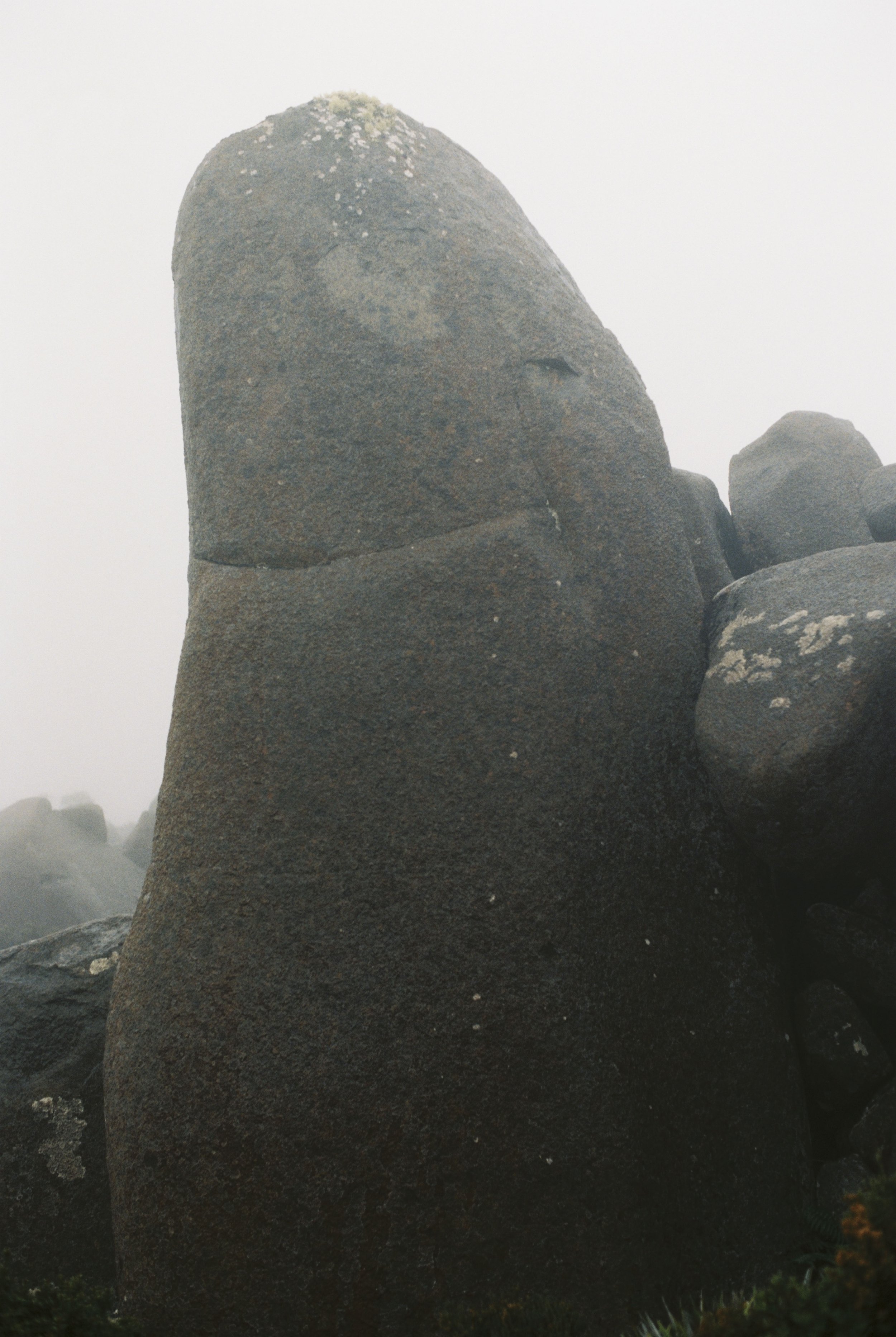
The second immediate response of most people upon telling them of my intentions to traverse the Făgăraș was: ‘And you are going alone?’, complimented by a face that clearly stated that they thought that was a very bad idea.

It wasn’t that I wanted to go alone; it was simply that no one was available and keen to do the trip with me that I knew. So my choice was to do the trip alone, or not at all. When faced with that decision, the answer was clear. I would go alone.

Flowering wild garlic. Făgăraș. Pentax MX, Kodak Portra 160, June 2023.

‘The traverse is not recommended. There is too much snow.’

Music to my ears.

I was in the only hiking shop in Sibiu, Romania. The lady working there was trying to talk me out of doing the traverse. I told her I was doing the traverse and I was there to acquire the equipment I needed in order to get across the backbone of the range. If I needed an ice axe and crampons to do so, then so be it.

She called her husband and he showed up within half an hour and gave me all the beta. He said I would need an ice axe to do the traverse. I took his advice and borrowed one from him; a nice long straight piolet that reached just past my ankle bone when I held the head of it in in my hand. I could tell it was a well loved piece of equipment and he hesitated before lending it to me. I gave him my word that I would return it at the end of my trip. We shook hands and that was that.

With the piolet added to kit, I felt ready. I just hoped I wouldn’t have to use it to defend myself from a hungry brown bear.

The transition zone. Făgăraș. Pentax MX, Kodak Portra 160, June 2023.

Muntii Făgăraș- When things take longer than we expect

I first made plans to visit the Făgăraș in 2017. The fruition of certain plans can take a bit longer than we expect.

My first glimpse of the Făgăraș, through the window of the train.
Pentax MX, 50mm Portra 160, June 2023.

At the outset of a new undertaking, it is easy to underestimate the time that is required to complete the intended objective. Whether our aim is to walk across a mountain range, to fix a broken piece of equipment, or even something as simple as preparing a meal we haven’t cooked before; if there is an element of unknown in the process, there is a good chance that we will experience delays.

The forest had started to reclaim the train tracks. Pentax MX, 50mm Portra 160, June 2023.

Hungary lies in the Carpathian Basin in Central Europe. The Carpathians are the second longest mountain range in Europe and ring my country of birth with their protective arms. They run for a total length of two and a half thousand kilometres, and hug Hungary to the north, east and south, curling around like a giant horseshoe.

There are two sections that could be described as the crux of the mountain range, the Tatras in the north and the Făgăraș in the south. Both these ranges contain peaks over two and a half thousand metres tall. And while the Tatras contain the steepest mountains and are rich in mountaineering history, the Făgăraș in Romania contain country that is a lot more remote and wild. Not to mention that Transylvania is a stronghold for wolves, brown bears and lynx. And although vampires haven’t been sighted there in recent years, carrying the odd clove of garlic cannot possibly hurt.

The train station’s platform at Valea Fratelui looked as if no one has stepped on it for about a decade. Pentax MX, 50mm, Portra 160 April 2023.

I visit Europe about once every five years, to catch up with family. This year, it came time again to go back and to reconnect with my roots, culture, language and of course, to eat Hungarian food. And while I was there, I figured I would take a couple of weeks and do a solo trip to traverse the highest section of the Southern Carpathians, the Muntii Făgăraș.

My crossing of the Făgăraș began with the crossing of the Olt River on a railway bridge. This photo was taken while standing on the bridge.

Pentax MX, 50mm Portra 160, June 2023.

Historically, Transylvania was part of Hungary and so we have our own name for these mountains: ‘Fogarasi Havasok’, which translates to the ‘Snowy Fagaras’. I undertook my trip in mid June 2023, only a couple of weeks before mid summer. Although I didn’t know at the outset, these mountains would live up to their name.

The Snowy Făgăraș. Pentax MX, Kodak Pro 100, June 2023.

When we visit a place that is unknown to us, it is natural to encounter delays that are presented by obstacles we didn’t expect. It is good to expect the unexpected. Even then, we may end up being surprised.

Three times three lines

‘Poetry, in a general sense, may be defined to be ‘the expression of the imagination.’’ - P.B. Shelley

Morning turned the night

Invisible is the dark

Fog lifts in the light.

Turbulent torrents

Woken by thoughts in the night;

The river is calm.

Dawn brought many questions

The birds, they sang their songs,

The answer was evident.

The only way

“He who knows only his own side of the case knows little of that. His reasons may be good, and no one may have been able to refute them. But if he is equally unable to refute the reasons on the opposite side, if he does not so much as know what they are, he has no ground for preferring either opinion...” J.S. Mill

Afternoon light, Brushy Creek Trees. Pentax MX, Ektar 100, April 2023.

Have you ever had a conversation that went like this?

A: I was hoping we could have a conversation about anthropogenic climate change.

B: About what kind of climate change?

A: Anthropogenic. It means climate change that is induced by humans.

B: Well sure, we can have a conversation. But climate change is due to natural variations in the Earth’s atmosphere. Humanity has nothing to do with it.

A: So 97% of scientists who claim anthropogenic climate change is real and happening are all wrong then?

B: Yes, they are all wrong.

A: What would it take for you to change your mind?

B: No matter what you say to me, I am not going to change my mind.

A: But I thought you said you were open to having a conversation? If you have already made up your mind, what’s the point of having this conservation?

B: The point is that I am right.

A: And what is your proof?

B: I don’t need any proof, because I know I am right.

A: You realise you are using a circular argument that makes no sense whatsoever?

B: It makes perfect sense to me. The fact that you can’t understand my way of thinking is not my problem.

A: So nothing I can say to you will change your mind?

B: Yes, that is right. You are finally starting to understand.

A: Well, in that case I would say you are not ready to have this conversation.

B: What do you mean? We just had it, and we both know I am right!

A: …

Taller than the rest. Pentax MX, Ektar 100, April 2023.

Most people in Europe before the Renaissance used to believe that the Sun revolved around the Earth, and that the Earth was flat. This was believed for a great many years. Humanity was the centre of the Universe. Then something changed. People’s perception shifted, and the centre of our world changed. It turned out that it was actually the Earth orbiting the Sun. And that the Earth was a sphere.

But today, despite thousands of satellites orbiting the Earth, allowing for our everyday communications to take place, some people still believe the Earth is flat. I imagine a conversation with a flat earther would go something along the lines of the conversation above. No matter what we say, we won’t be able to change their mind. They remain resolute in the conviction that their world view is correct.

Pencil pines and moss. Living in sustained harmony. Pentax MX, Ektar 100, April 2023.

But the truth is, even when we are convinced that we are right, we can still be wrong. And the only way we can find out is if we are willing to hear the other side of the argument and maintain a willingness to change our mind.

"There is no such thing as bad weather...

… only bad equipment.”

Teetering Stack. Pentax MX, April 2023.

This is a cliche that’s about as overused as plastic bags in the supermarket. And while cliches are well used for a reason, and they do point towards a universal truth, they are also terribly limited in their meanings.

Thanks to the quality of clothing and equipment available to the intrepid adventurer in the 21st century, it is true that most weather conditions can be tolerated. If you prepare for the conditions appropriately, chances are, you won’t have to suffer too much.

The sun lounge. Pentax MX, April 2023.

But to claim there is no such thing as bad weather is bollocks. It’s a sensationalist statement that downplays the reality of the conditions that one may experience in the mountains. There IS such a thing as bad weather.

Weather is not bad in its own right. But given that we view the world through our human lens, with our human limitations, there IS such thing as objectively bad weather, for a human. Conditions that pose a threat to the ongoing existence of human life for example. If you can’t stay still for more than 30 minutes without freezing to death, I’d say you are experiencing bad weather.

I guess we could take a devious tangent here and discuss whether an event that causes the end of human existence is bad or good, but given that most people seem to prefer an ongoing existence to an ongoing death, I am going to run with the consensus and leave a purely philosophical (but worthwhile) discussion for another time.

Friendly Obelisk. Pentax MX, April 2023.

If you can’t pitch a tent because it’s too windy, I’d say the weather is bad. When you are wearing all your daytime layers, including thermals, mid layers, hard shell pants and jacket, mittens, balaclava, and have your hood cinched around your face, moving as fast as you can with a 20+kg pack on your back, and you can still feel your core temperature dropping, I’d say the weather is bad.

There was this time a few years ago when we were traversing the Eliza plateau with my friend Rob Holbrook in what I would say was bad weather. We had started early that day, somewhere on the North-East Ridge, and I say somewhere because I am actually not quite sure where we were, having lost the track up to Pandanni-Shelf the previous day. We had navigated our way past the sinkholes and cave entrances of the North-East Ridge earlier that morning, gotten completely saturated in the rainforest while it gently snowed around us and sidled around the peak of Mt Anne through the frozen boulderfield in poor visibility. Once we hit the track, we thought we would be on the home stretch. But it was late in the afternoon and we were walking in fog and a steady headwind, the temperature just hovering around zero, which meant we remained saturated to our skin in the drizzle.

About halfway across the plateau, I realised I should stop and put an extra mid layer on. But the effort of stopping, taking the mittens off, taking the pack off, taking the jacket off and putting on an additional layer seemed so overwhelmingly difficult that I decided to trudge on. And trudge on.

The plateau seemed endless. At one point, there was a short step in front of me. I went to step up, but my foot slipped off. I tried again, and my foot slipped off again. On my third attempt, I was finally able to step up. But the alarm went off in my head. “Put a layer on now”. So I called to Rob, we found a bit of shelter out of the wind behind a boulder, we stopped and I put that layer on. Even then I must have been borderline hypothermic by the time we reached the point where the track drops off the plateau towards High Camp Hut. Within fifteen minutes of being out of the wind, I was warm again. I wonder how Rob would have reacted that day if I turned to him and said:

Flaking Boulder. Pentax MX, April 2023.

“There is no such thing as bad weather…”

Asturias, Spain

A photo essay depicting Asturias, Spain along the route of the Camino Primitivo.

The Camino is often referred to as ‘The Way of St James’. Here is the holy man, frozen in stone. Pentax MX, Ektar 100, May 2023.

These old stone walls lined a lot of the backroads in the countryside. Pentax MX, Ektar 100, May 2023.

The fog in this part of northern Spain would often persist well past midday. Pentax MX, Ektar 100, May 2023.

The ridgelines of the mountains were often lined with a series of windmills. Pentax MX, Ektar 100, May 2023.

Along with the windmills came the powerlines. Pentax MX, Ektar 100, May 2023.

Cattle often roamed free in the hills along ‘The Way’. Pentax MX, Ektar 100, May 2023.

Characteristic ‘panera’ or storage house in Asturias. These ‘floating’ cottages are always propped up on blocks of wood and stone in a way that makes them rodent proof. Pentax MX, Ektar 100, May 2023.

Refugio, or mountain shelter along the route of the Camino Primitivo. Pentax MX, Ektar 100, May 2023.

Little pyramid. Pentax MX, Ektar 100, May 2023.

The holy pilgrim. Pentax MX, Ektar 100, May 2023.

Just a piece of canvas...

I’ve always been intrigued by old equipment. My favourite pack is an old swiss army pack that weighs a ton, is made of leather, canvas and steel. It is indestructible and I love it for the fact that this pack is likely to outlive me.

One of the key directions of the outdoor industry in the last five decades has been to move away from natural materials to synthetic ones. Gear has gotten progressively lighter, more functional and mostly, less durable. While there are good reasons we have moved away from using certain materials, and I appreciate a light pack as much as anyone else, I do have a soft spot for historic outdoor equipment.

Blending in. Hasselblad 500C/M, Portra 800, April 2023.

Earlier this year, one of our customers at Paddy Pallin donated his father’s old ‘Paddy Made’ Golden Tan tent. The tent originally belonged to Ian Boss-Walker, who used this tent on his trips to the ‘Reserve’ from the 1960s onward. Ian wrote the first guide to Cradle Mt-Lake St Clair National Park, (known as ‘The Reserve’ then), titled ‘Peaks and High Places’, published in 1950 by the Scenery Preservation Board, Hobart.

Here was a tent with a bit of history and I could not resist but to take it out on a trip to a place that this tent knew so well and had not seen in a number of years!

It was certainly well used, the canvas had been worn thin and had a few minor holes in it. I didn’t mind. I knew I would use it as my shelter of choice for my second attempt to cross Fury Gorge near Cradle Mountain. The first attempt ended in a hasty retreat from Pencil Pine Bluff in a severe blizzard. What would happen this time and how would the old tent hold up?

Sunrise on the bluff. Hasselblad 500C/M, Portra 800, April 2023.

I started by airing out the 50+ year old tent for a few days so it didn’t smell like moth balls any more. Then I took the tent to my local repair man, Dave Ross in South Hobart and he patched the main rip on the door in no time at all. I set up the tent in my backyard and was impressed to see it had no less than 22 attachment points to the ground! Bombproof! Most of the peg loops were missing so I added some 2 mm chord. I also sprayed the tent with Atsko silicon, further adding to the metamorphosis of this museum piece towards a trustworthy shelter. I ran out of silicon spray near the end and used a bit of Snowseal beeswax to finish the job. While the silicon dried to an imperceptible finish, the wax left a patchy mark on the material and added more weight. It also took longer to apply. It was to be an interesting experiment on whether the traditional method (beeswax) or the modern method (silicon) would be more effective in the wet. The conclusion would be the latter. The silicon coating not only weighed less, it also made the fabric absorb less water overall. Two 300g cans would have been needed to cover the tent completely. I was surprised at how effectively the silicon waterproofed the canvas.

With the Golden Tan repaired, waterproofed and kitted out with guy lines, pegs and two walking poles, I had my shelter for my attempt on Fury Gorge. But April is a fickle month in Tasmania’s highlands and I didn’t quite trust the forecast when it said there was to be no rain for the four days I was to be up there.

The Bottom of the Abyss. Hasselblad 500C/M, Portra 800, April 2023.

The details of how my trip turned out shall be told in an upcoming article in Wild Magazine, although the photographs here will give some insight. What I wish to focus on here was how the old tent performed.

Much to my surprise, the weather held fair and there was barely a breath of wind. One could say the conditions were ideal for a positive experience in the canvas shelter. And I did fall in love with this piece of old gear. There was so much to love about it!

It was a spacious fit for one, and while feeling sheltered once inside, I never felt completely separated from my environment. It was a totally different experience to being in a two layer sil-nylon tent. A piece of canvas is the definition of breathable, and the doors could be opened up on both sides of the A-frame on the good nights, making me feel so much more connected to the places I was spending my nights in.

Sure, the tent was not the quickest thing to put up with 22 pegs required for a taut pitch. And for the first time I realised the true convenience of zips, through being deprived of them. The tent doors had to be tied closed with the cotton laces which took about a minute each time I had to exit the tent. I could also see how in a high wind scenario the ends of the tent near the doors would inevitably let a bit of water in.

Looking back. Hasselblad 500C/M, Ektar 100, April 2023.

Much to my surprise, I had a great time in this tent over the three nights that I spent in it! Perhaps if there was a blizzard, it would have been a different story. But given the conditions, I fell in love with this old piece of canvas, and decided to rename it to the ‘Paddy’s Palace’. I would have no hesitation to take this as my primary shelter on fair weather trips from now on!

And if you or someone you know has one of these old tents tucked away in a shed somewhere and it hasn’t gone mouldy, don’t throw it away! Get it out, fix it up, and for no cost at all, you’ve got yourself a decent two person shelter. Oh and for the gram gremlins out there, the total weight of the (dry) tent, including my trekking poles was roughly 2kg! Not bad for a tent that’s nearly as old as the Rolling Stones!

Homeward bound. Hasselblad 500C/M, Ektar 100, April, 2023.

A brief interlude

There you have it my dear followers, with the Australian Alps story all wrapped up, it is time to take a little break. I know I have promised you one post per week, but over the next six weeks I shall be on a different continent to the one where I usually reside so there won’t be any posts till July I’m afraid. And even once July comes around, I fear that I may not be able to continue the weekly posts.

It comes down to being able to generate quality content you see. I am slowly accepting that perhaps I am not capable of writing one quality post every week. So what you may find, is that the Melting Billy Posts will continue, but on a more sporadic basis. I will write posts when I have something to say, not simply because it is Sunday. This way, I hope to uphold the quality of the posts.

If you are curious as to where I am headed over the next six weeks, it is to Europe, to Budapest, my place of birth, where family awaits, but also to the north coast of Spain to sample the Camino, and to the Fagaras mountains in Romania, where bears and wolves still roam in the wild.

All the best in the meantime and good luck with those shortening days as we approach the solstice.

Take care my friends, adios for now!

-Andy

Ps: and here are some photographs from my recent trip to one of the least attractive walking destinations in Tasmania. Fury Gorge. It’s simply a perfectly terrible place to visit. I can’t recommend it highly enough. ;)

Homecoming

Would you like your certificate laminated?”

The birds woke me, one last time. The drawn out cackle of the kookaburras made me open my eyes to narrow slits; the promise of first light diffused through my tent’s fabric. The job ahead of me was simple, yet difficult. My day’s walk would only take five hours, but with it, I would complete my 10 week journey through the Australian Alps. I felt victorious, but vulnerable, unwilling to close the book on a gripping chapter.

I struck out 73 days previously from Walhalla in Victoria, and walked nearly 800kms to end up where I was, sipping a strong coffee from the comfort of my sleeping bag at Honeysuckle Creek Campground, only a day’s walk from Tharwa, the official end of the AAWT. I had walked 35kms the previous day to set myself up for an early afternoon finish; I expected an easy day’s hike and a timely arrival to the visitor centre. I should have figured that the AAWT would throw one last challenge as a farewell present.

I packed up quickly that morning, keen to get going; it was going to be a scorcher of a day. I checked my map; there were plenty of creek crossings, so I took less than a litre of water in my bladder from the rainwater tank. I’d collect the rest later, I figured. The sun climbed higher in the sky.

Rolling up my tent, I remembered the first week of my walk, ten weeks past, when I climbed to the Baw Baw Plateau and encountered snow that came above my knees. I remembered staggering along in the heavy drifts with my 40kg pack, wishing for warmer climate. Since then, I had watched the snow melt and the landscape transform with the anticipation of summer. Right then, as I took the first steps of my final day in the Australian Alps, I wished for winter back. Then I remembered that it’s silly to make wishes for things that are impossible.

The water in the creeks had dried up. It was barely the beginning of summer, and the beds were bone dry. If I had done my research, I would have known to expect this. The eastern section of the Great Dividing Range is in rain shadow; the prevailing westerly winds mean that the clouds loose most of their moisture by the time they reach these hills. I had minimal water left in my bottle and I knew it had to last a long way. I kept plodding, trying to find my rhythm, pretending my mouth wasn’t as dry as the leaf litter underneath my feet.

I wasn’t just grappling with my mounting thirst, but also the inevitable realisation that my nomadic routine would be over tomorrow. I had to say goodbye to the simplicity of waking to bird call each morning, brewing the perfect cup of coffee at my leisure, even hauling my monstrous pack over the endlessly undulating landscape; tomorrow they would all be memories.

In the mountains, my existence became aligned with the cycles of Nature; the passing of the moon, the daily gift of the sun and the shifting of the seasons. After ten weeks on the trail, I was feeling the benefits of having adjusted to Nature’s clock; I was stronger, fitter and happier than I have ever been in my life. My mind was steady, unwilling to give in to the fluctuating moods of my flitting thoughts; in short I was centred, and able to enjoy every single moment, exactly the way it was, rather than the way I wished it would be.

There wasn’t a drop left in my bottle. I turned it upside down, just to make sure. My head was aching, and my throat had been dry for hours. My only option was to keep plodding. I reduced my pace to maximise efficiency; going too fast now would only wear me out. The staircase leading me down Mt Tenant appeared endless; I kept stepping, and the stairs kept going. In my mind’s eye, I was frolicking in cool, calm waters. My reality was very different. I just had to put one foot in front of the other. Swat the flies. Bloody flies. More steps. Keep. Going.

I arrived at the Namadgi Visitor Centre unceremoniously. As I plopped my sweat soaked canvas rucksack onto the picnic bench, a dark swarm of flies lifted up, then shortly attempted to land on me instead. I barely had energy left to shoo them away. I only had one thing left to do. I grabbed my water bottle, walked over to the water tank, unscrewed the lid and opened the tap. The delicious water cascaded in. I lifted the bottle to my mouth, closed my eyes and drank...The life force travelled down my throat and within minutes, I could feel it becoming part of me. I mused about how many times I have drunk water, and had taken it for granted; then figured, to truly appreciate what we have, first it must be taken away.

Would you like your certificate laminated?” The lady behind the counter delivered the question with a smile.

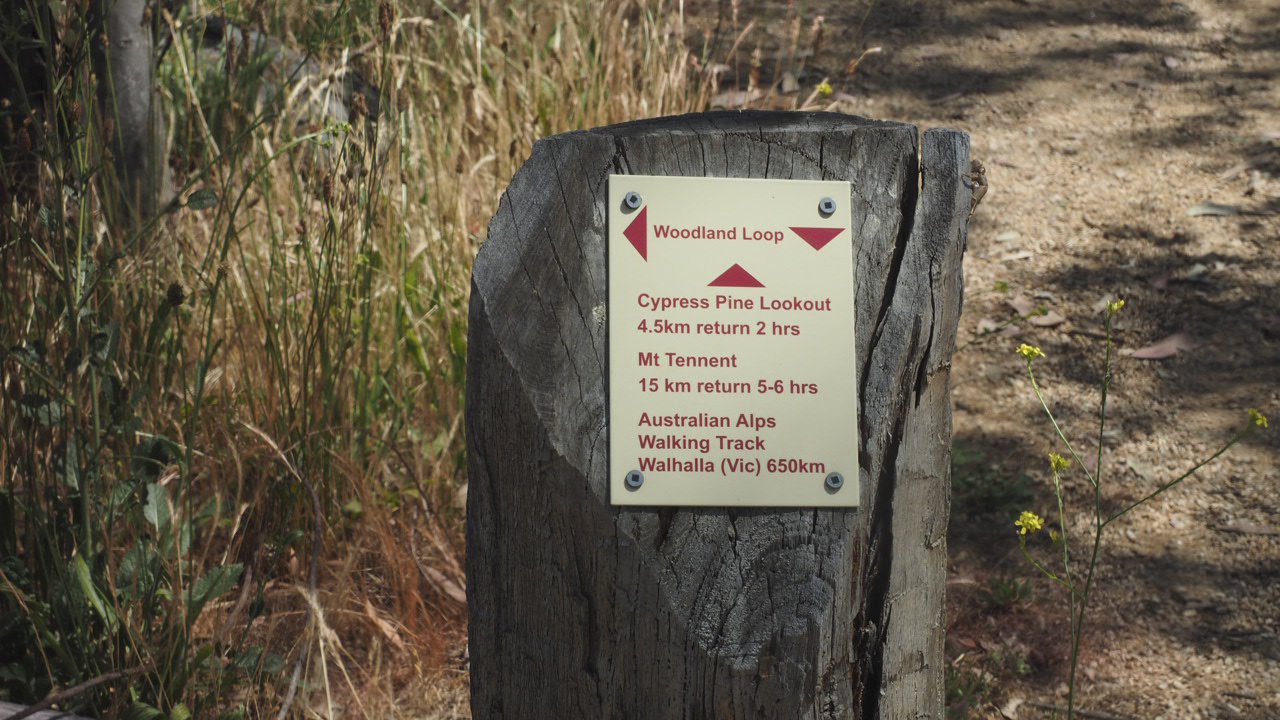
I was standing in an air conditioned Namadgi Visitor Centre, at the end of the 650km Australian Alps Walking Track. I was struggling to cope with the reality of having arrived at my destination after 74 days of walking through mountainous wilderness. The ranger’s question caught me by surprise; it all felt so surreal. A piece of paper, coated in plastic, seemed meaningless, but also, strangely satisfying.

“That would be wonderful, thank you.” My words came out as a croak.

I felt like a king, riding on the bus into Canberra. It sure was an extraordinary ride back to the ordinary world. For the first time in 10 weeks, I was sitting down, and moving at the same time. It felt wonderful. The world outside flitted past, impossibly fast. The faces of my fellow humans on the bus were withdrawn, their minds absorbed in their own worlds. My eyes on the other hand, were popping out of my head. Everything felt like a miracle. Every moment was cosmic justice, and I felt amazed at simply being alive.

Arriving to the hostel was the real beginning of my internal celebration that would last many days. I dumped my giant pack in the dorm room, much to the amusement of my roommate, who exclaimed: “Where did you come from, man, Antarctica?” I laughed at his reaction, and shared the quick version of my story. He wanted to hear more, so we decided to head down to the pub, conveniently located in the basement of the hostel.

My newfound friend knew how to work a pub. Before long, he was introducing me to everyone sitting within earshot. “This guy has just walked 74 days through the mountains to get here!” I felt almost like a celebrity, answering questions and accepting genuine handshakes and congratulations. Slowly, the accomplishment of my trek began to sink in. So I bought another beer, and then another and shared the story of my adventure with everyone who was willing to listen.

I stumbled to my bed with a heavy stomach but a light heart. The novelty of crisp, clean sheets was lost on me as I passed out, and entered a deep and peaceful sleep.