I’ve always been intrigued by old equipment. My favourite pack is an old swiss army pack that weighs a ton, is made of leather, canvas and steel. It is indestructible and I love it for the fact that this pack is likely to outlive me.
One of the key directions of the outdoor industry in the last five decades has been to move away from natural materials to synthetic ones. Gear has gotten progressively lighter, more functional and mostly, less durable. While there are good reasons we have moved away from using certain materials, and I appreciate a light pack as much as anyone else, I do have a soft spot for historic outdoor equipment.

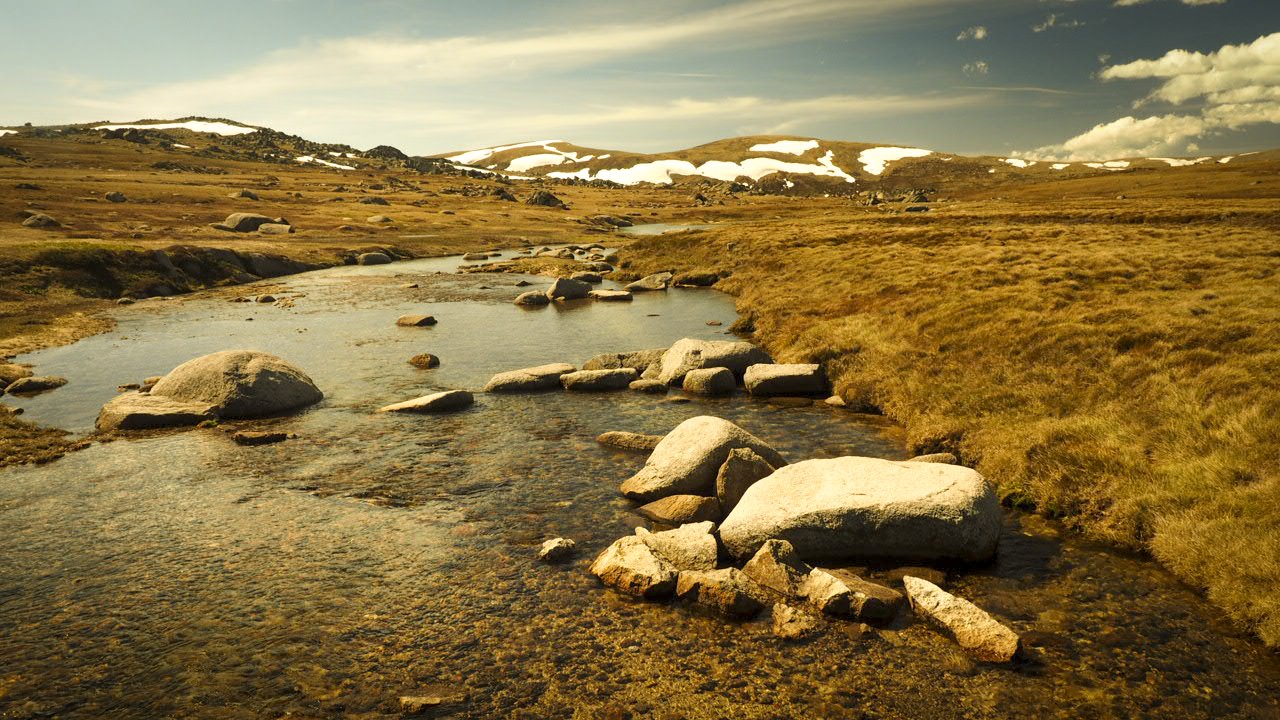
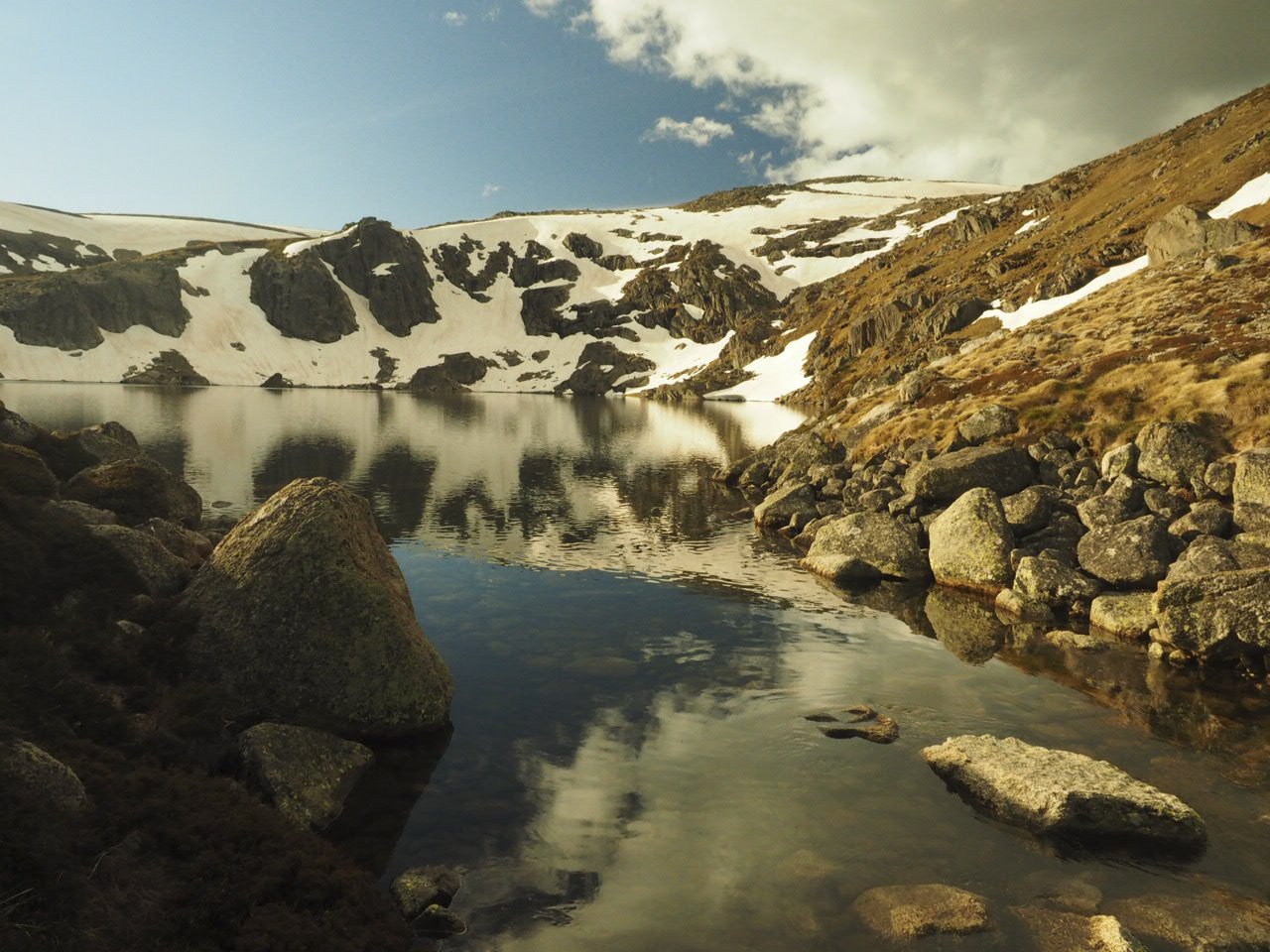
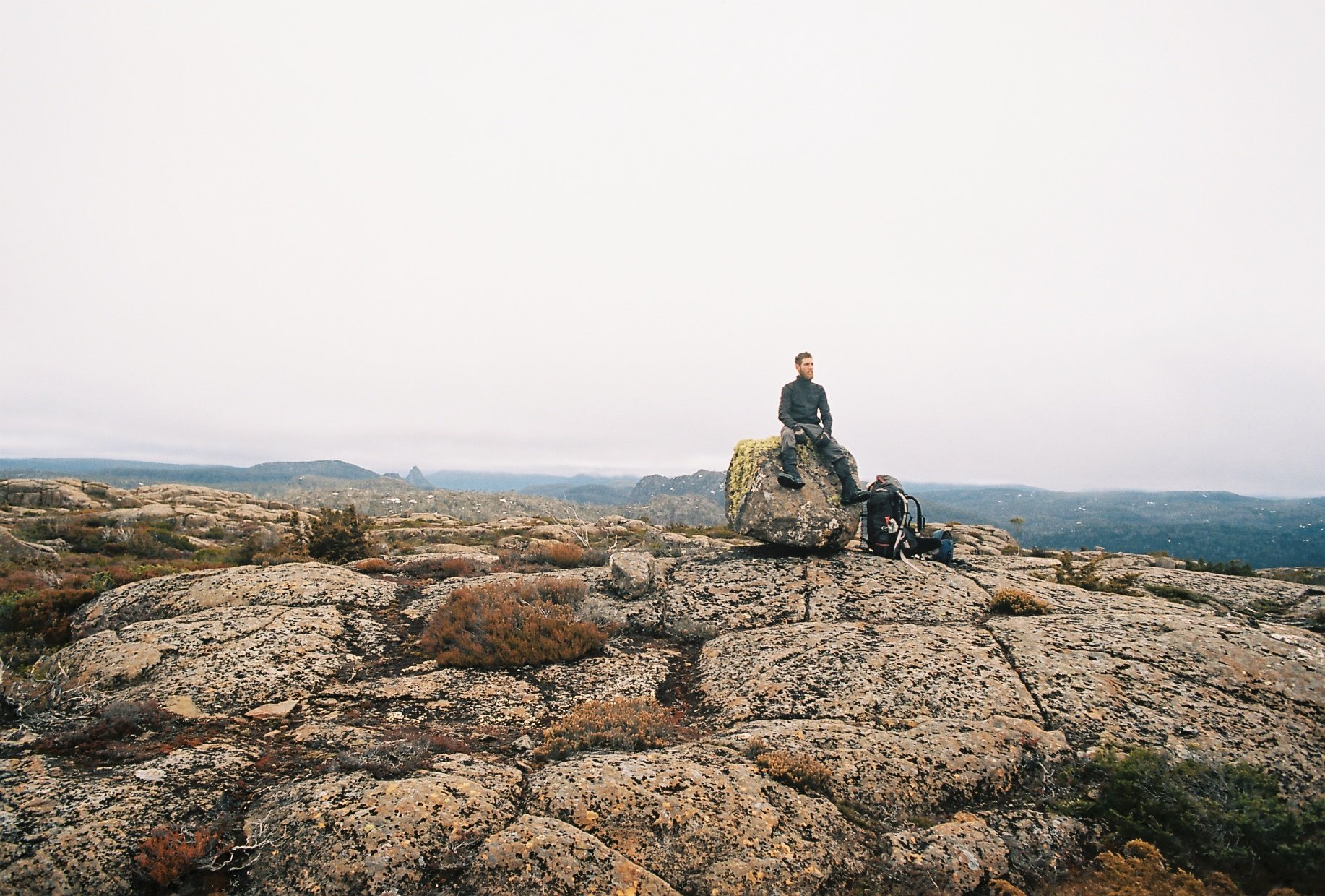
Blending in. Hasselblad 500C/M, Portra 800, April 2023.
Earlier this year, one of our customers at Paddy Pallin donated his father’s old ‘Paddy Made’ Golden Tan tent. The tent originally belonged to Ian Boss-Walker, who used this tent on his trips to the ‘Reserve’ from the 1960s onward. Ian wrote the first guide to Cradle Mt-Lake St Clair National Park, (known as ‘The Reserve’ then), titled ‘Peaks and High Places’, published in 1950 by the Scenery Preservation Board, Hobart.
Here was a tent with a bit of history and I could not resist but to take it out on a trip to a place that this tent knew so well and had not seen in a number of years!
It was certainly well used, the canvas had been worn thin and had a few minor holes in it. I didn’t mind. I knew I would use it as my shelter of choice for my second attempt to cross Fury Gorge near Cradle Mountain. The first attempt ended in a hasty retreat from Pencil Pine Bluff in a severe blizzard. What would happen this time and how would the old tent hold up?
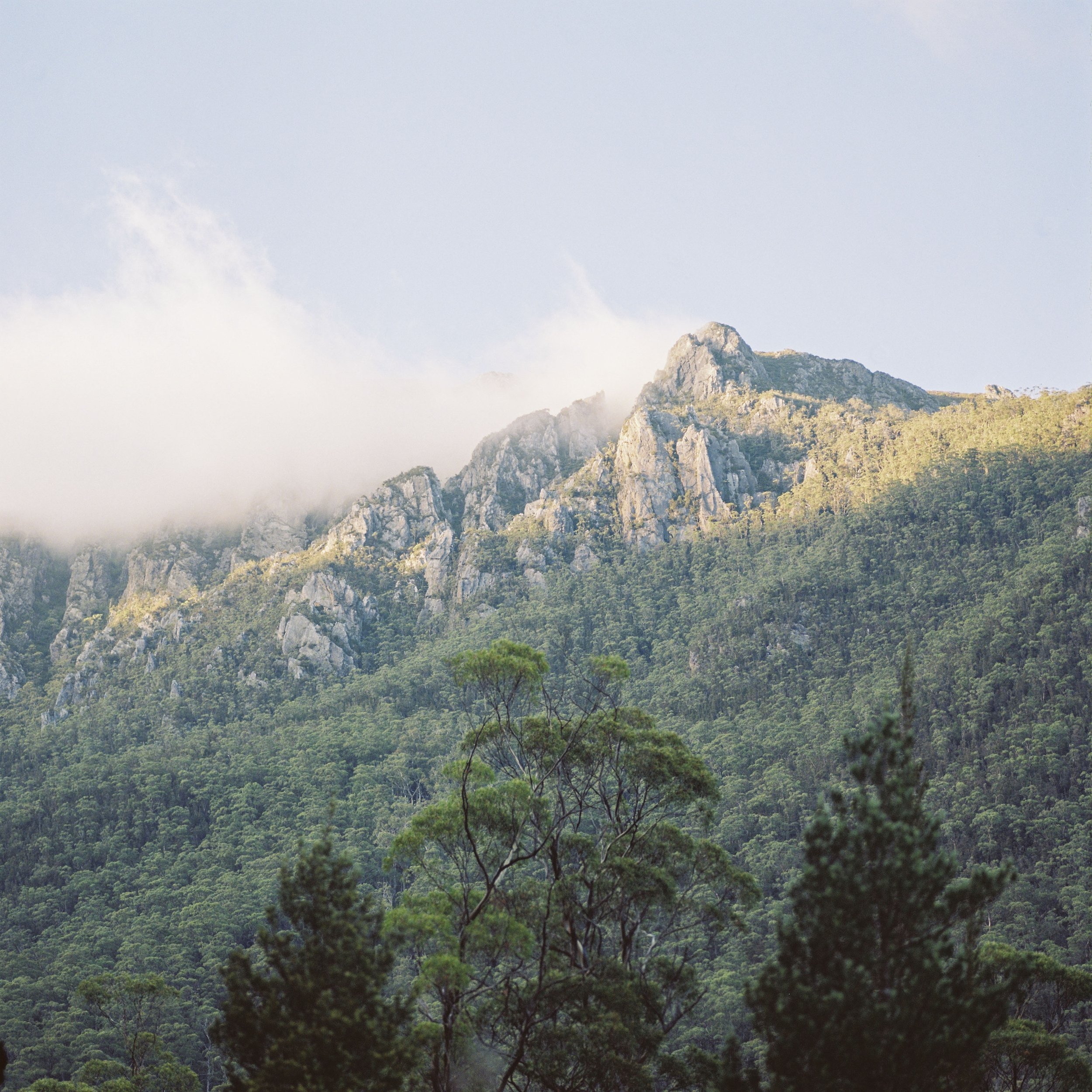
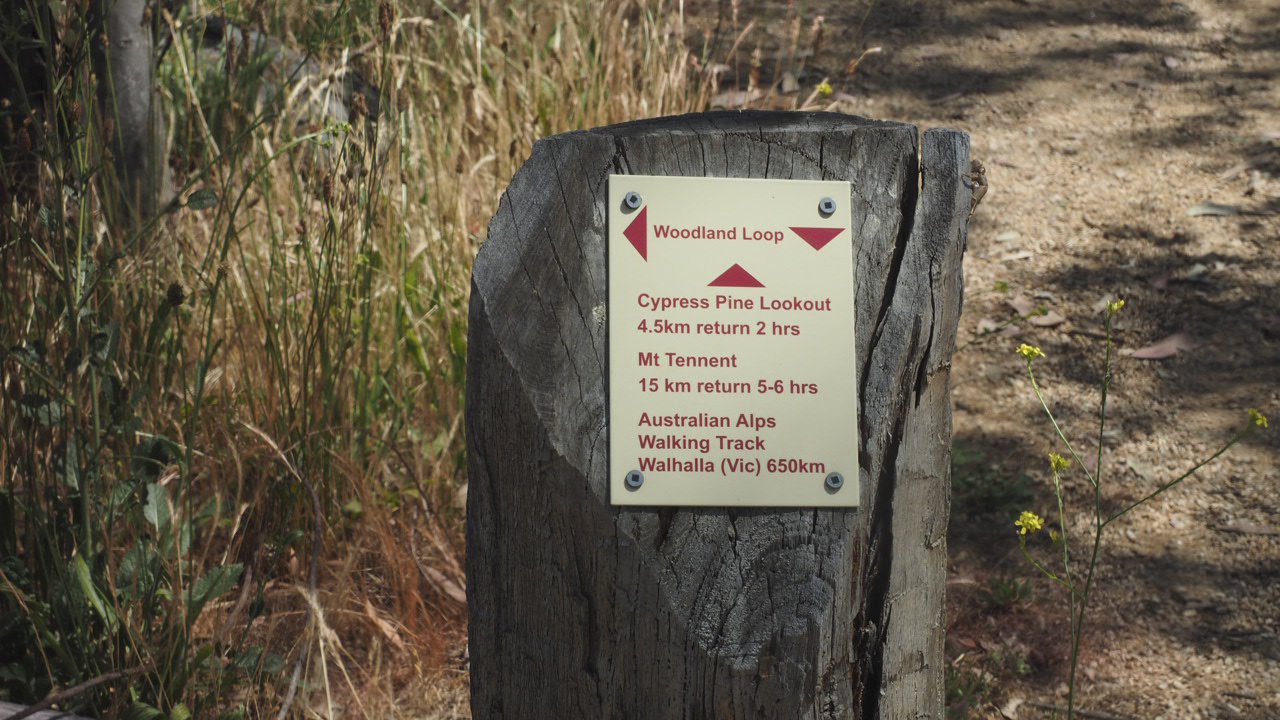
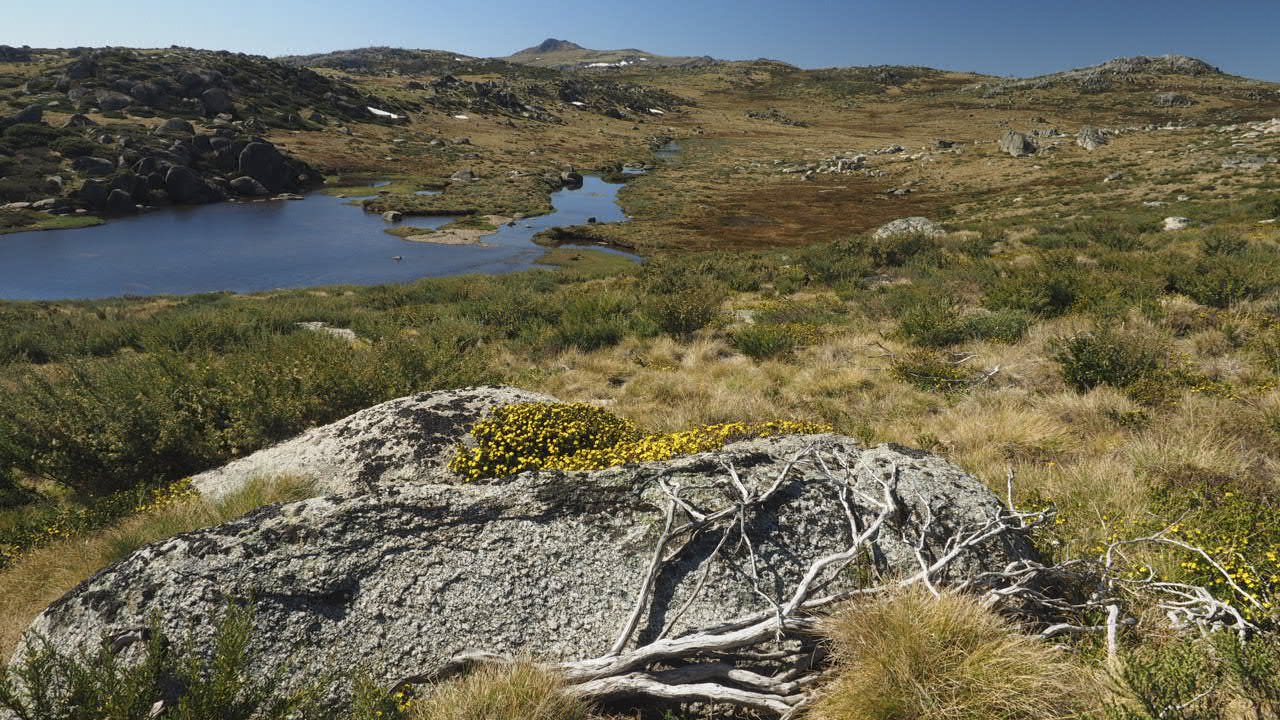
Sunrise on the bluff. Hasselblad 500C/M, Portra 800, April 2023.
I started by airing out the 50+ year old tent for a few days so it didn’t smell like moth balls any more. Then I took the tent to my local repair man, Dave Ross in South Hobart and he patched the main rip on the door in no time at all. I set up the tent in my backyard and was impressed to see it had no less than 22 attachment points to the ground! Bombproof! Most of the peg loops were missing so I added some 2 mm chord. I also sprayed the tent with Atsko silicon, further adding to the metamorphosis of this museum piece towards a trustworthy shelter. I ran out of silicon spray near the end and used a bit of Snowseal beeswax to finish the job. While the silicon dried to an imperceptible finish, the wax left a patchy mark on the material and added more weight. It also took longer to apply. It was to be an interesting experiment on whether the traditional method (beeswax) or the modern method (silicon) would be more effective in the wet. The conclusion would be the latter. The silicon coating not only weighed less, it also made the fabric absorb less water overall. Two 300g cans would have been needed to cover the tent completely. I was surprised at how effectively the silicon waterproofed the canvas.
With the Golden Tan repaired, waterproofed and kitted out with guy lines, pegs and two walking poles, I had my shelter for my attempt on Fury Gorge. But April is a fickle month in Tasmania’s highlands and I didn’t quite trust the forecast when it said there was to be no rain for the four days I was to be up there.

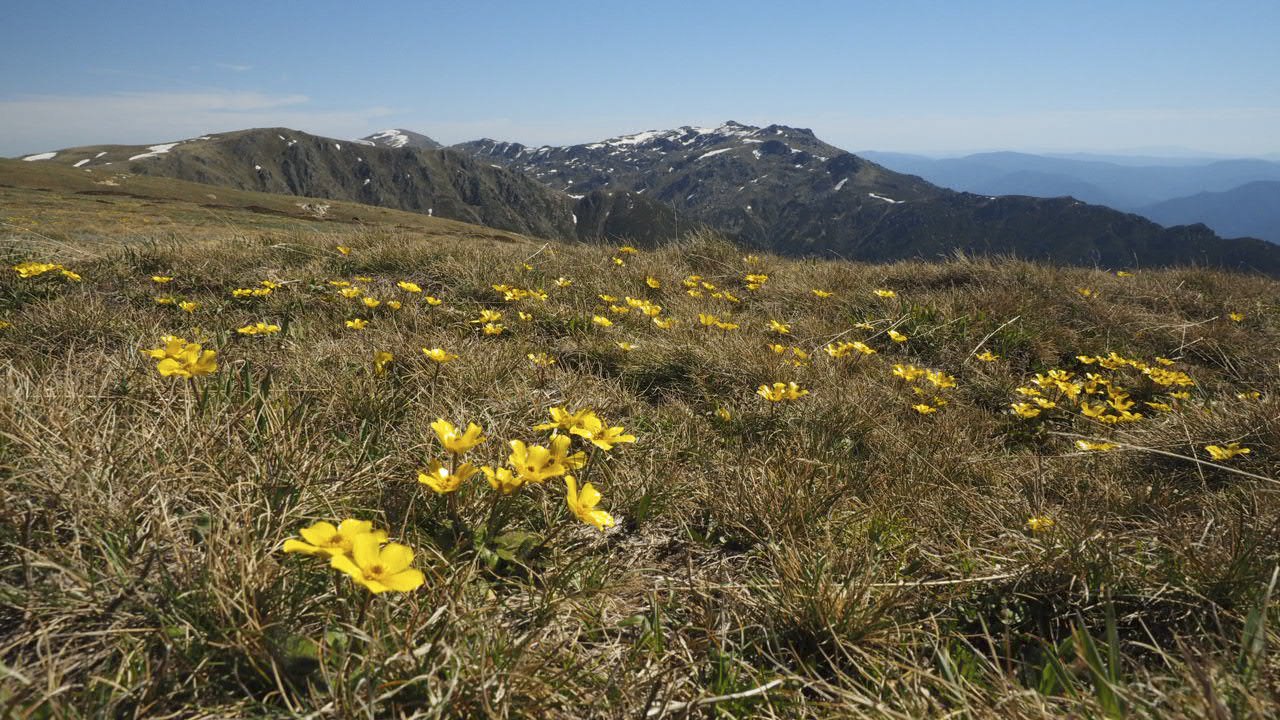
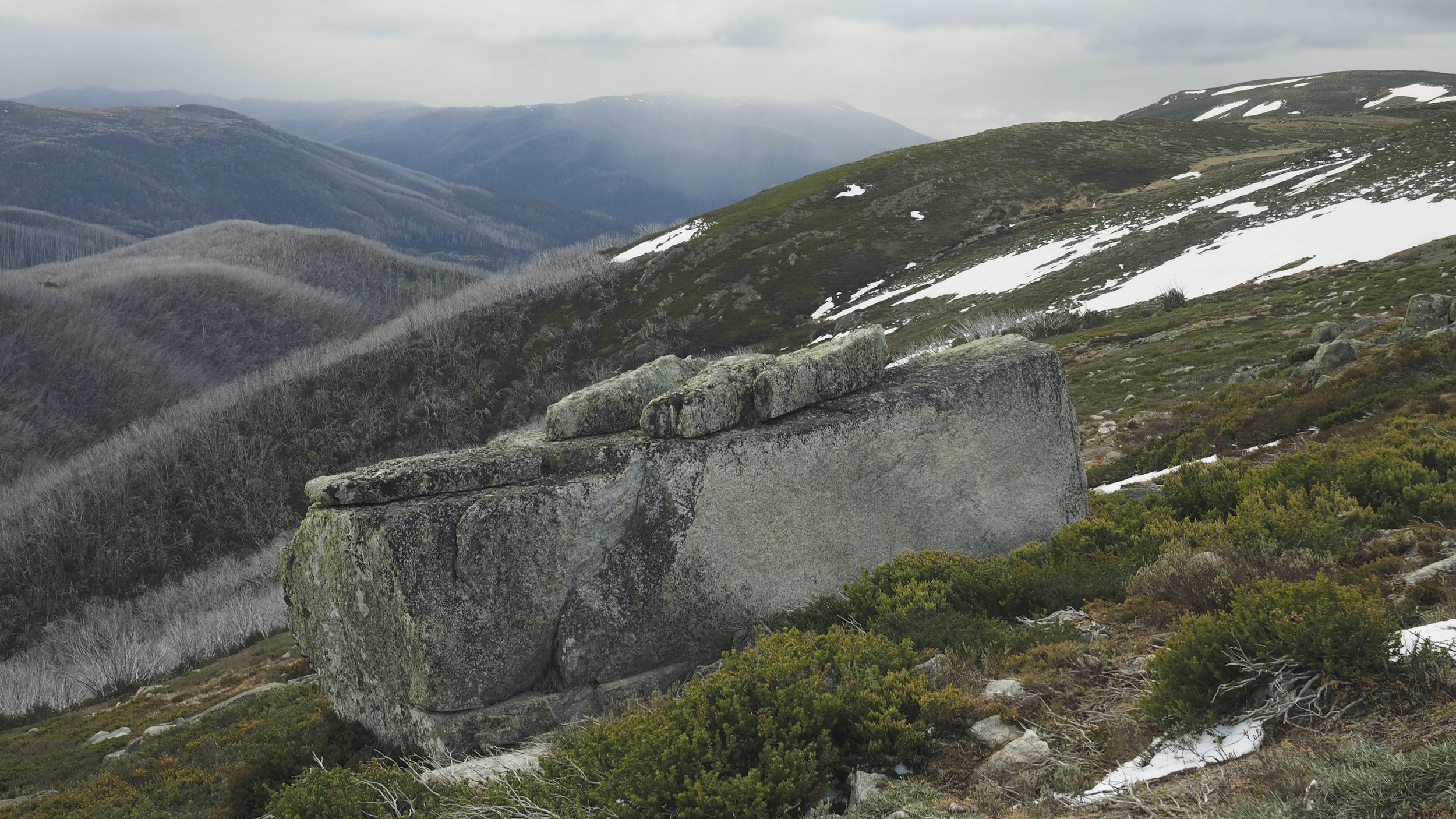
The Bottom of the Abyss. Hasselblad 500C/M, Portra 800, April 2023.
The details of how my trip turned out shall be told in an upcoming article in Wild Magazine, although the photographs here will give some insight. What I wish to focus on here was how the old tent performed.
Much to my surprise, the weather held fair and there was barely a breath of wind. One could say the conditions were ideal for a positive experience in the canvas shelter. And I did fall in love with this piece of old gear. There was so much to love about it!
It was a spacious fit for one, and while feeling sheltered once inside, I never felt completely separated from my environment. It was a totally different experience to being in a two layer sil-nylon tent. A piece of canvas is the definition of breathable, and the doors could be opened up on both sides of the A-frame on the good nights, making me feel so much more connected to the places I was spending my nights in.
Sure, the tent was not the quickest thing to put up with 22 pegs required for a taut pitch. And for the first time I realised the true convenience of zips, through being deprived of them. The tent doors had to be tied closed with the cotton laces which took about a minute each time I had to exit the tent. I could also see how in a high wind scenario the ends of the tent near the doors would inevitably let a bit of water in.

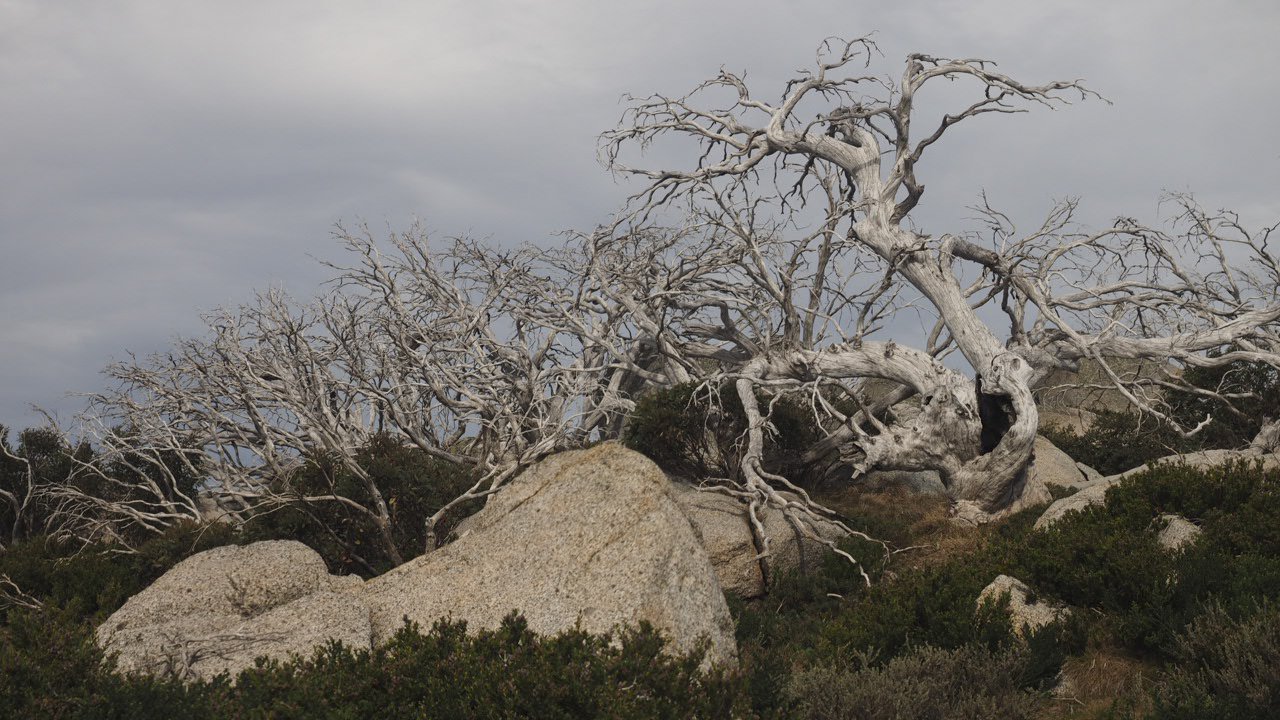
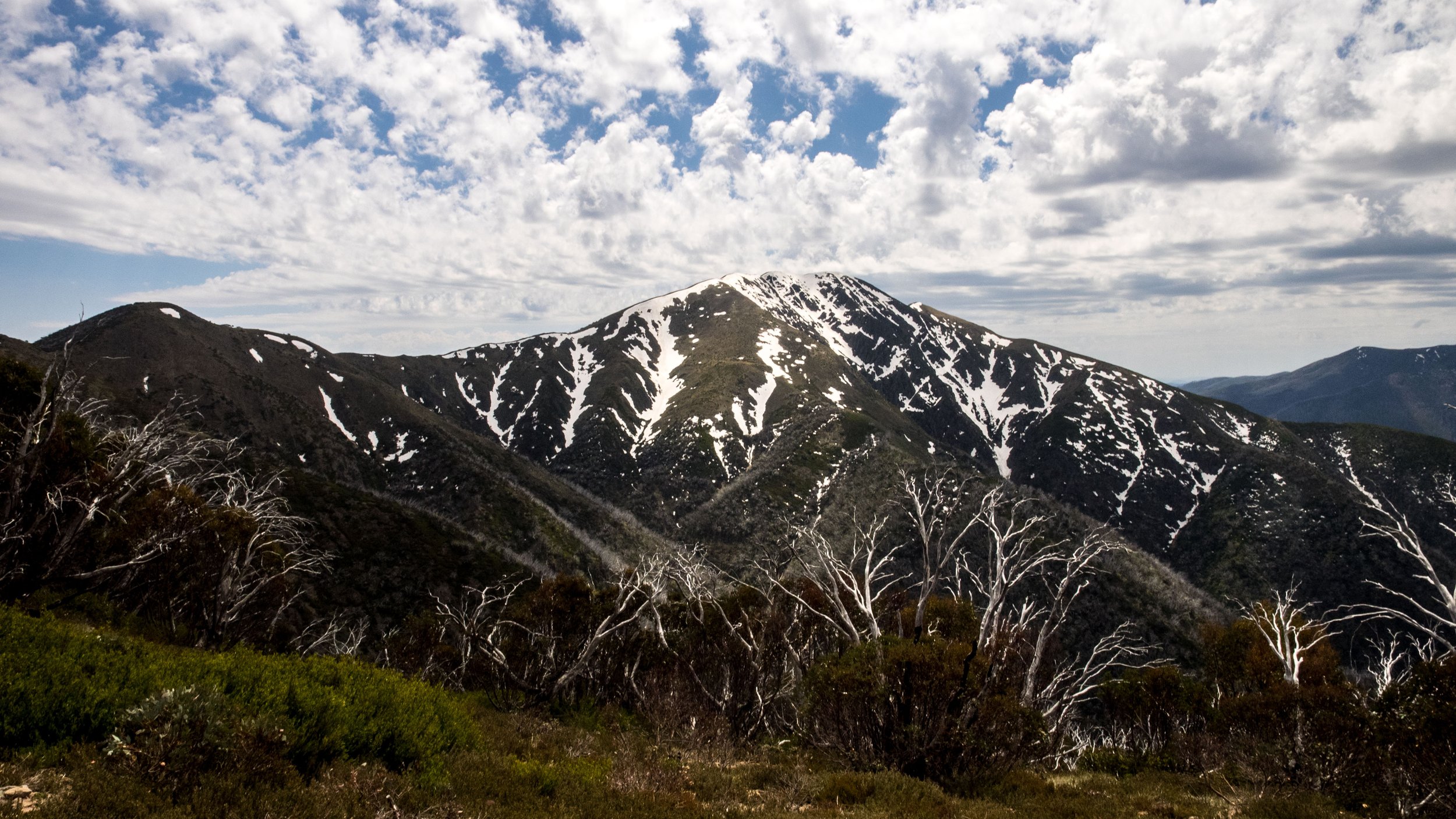
Looking back. Hasselblad 500C/M, Ektar 100, April 2023.
Much to my surprise, I had a great time in this tent over the three nights that I spent in it! Perhaps if there was a blizzard, it would have been a different story. But given the conditions, I fell in love with this old piece of canvas, and decided to rename it to the ‘Paddy’s Palace’. I would have no hesitation to take this as my primary shelter on fair weather trips from now on!
And if you or someone you know has one of these old tents tucked away in a shed somewhere and it hasn’t gone mouldy, don’t throw it away! Get it out, fix it up, and for no cost at all, you’ve got yourself a decent two person shelter. Oh and for the gram gremlins out there, the total weight of the (dry) tent, including my trekking poles was roughly 2kg! Not bad for a tent that’s nearly as old as the Rolling Stones!

Homeward bound. Hasselblad 500C/M, Ektar 100, April, 2023.